Cornell’s flexible curriculum and interdisciplinary approach allowed Julia Salatti to blend her interests in biology, data science, and engineering. From hands-on projects in polymer materials to real-world collaborations with industry partners, her journey reflects the versatility and discovery that define the Cornell M.Eng. experience.
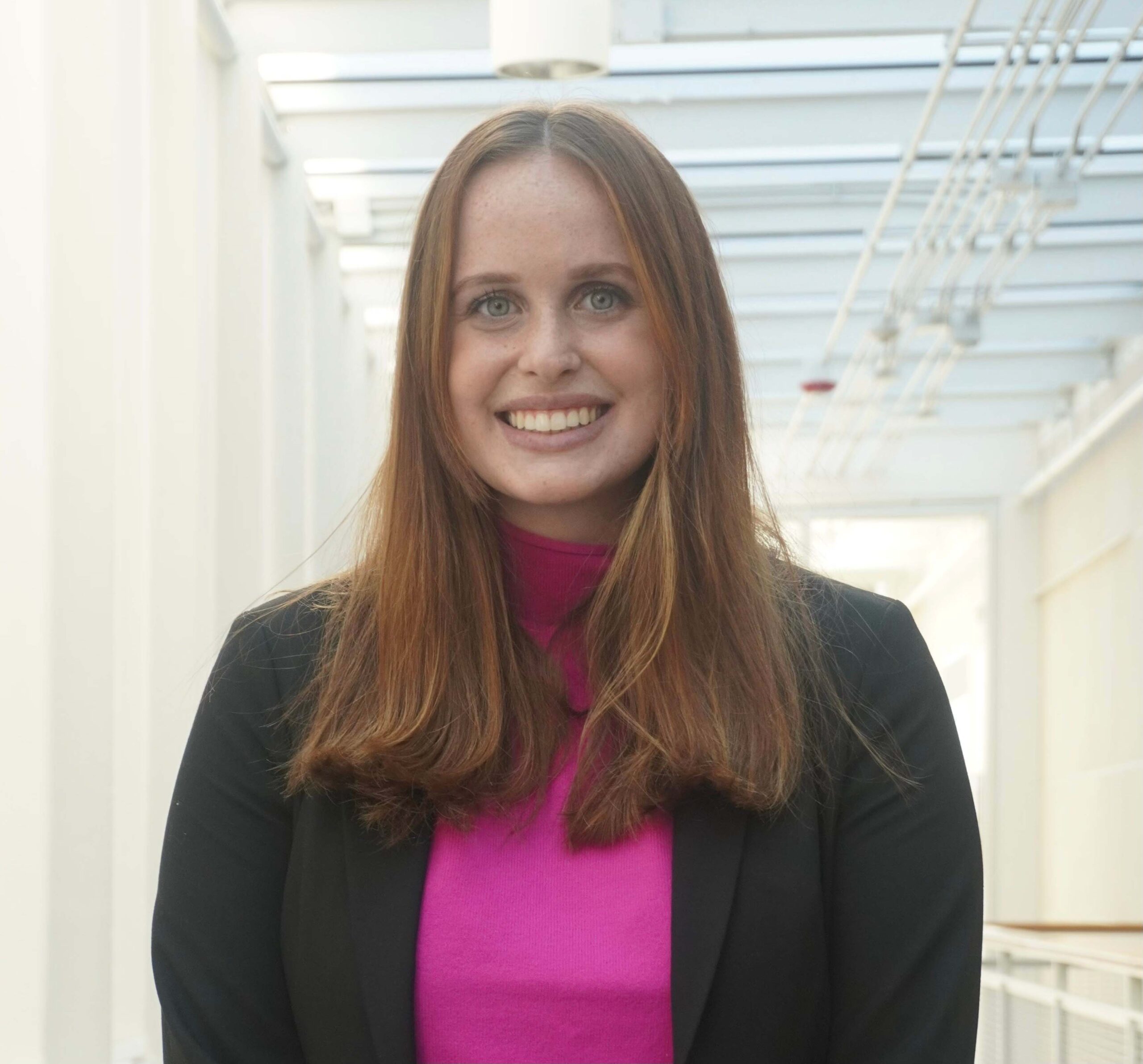
Julia Salatti
-
Program
M.Eng. in chemical engineering
-
Hometown
Kings Park, NY
-
Preferred pronouns
she/her
-
More
Why Cornell?
I applied to Cornell to study bioengineering in my undergraduate program. I chose Cornell because the biological engineering program had a lot of flexibility, as I knew I was interested in biology and math, but was not really sure how I wanted to apply these interests. In this program I was able to explore biomedical applications, environmental applications, and biochemical applications. Cornell’s flexibility allowed me to take classes across multiple engineering disciplines and find the area I wanted to pursue long-term.
Why the M.Eng. in chemical and biomolecular engineering?
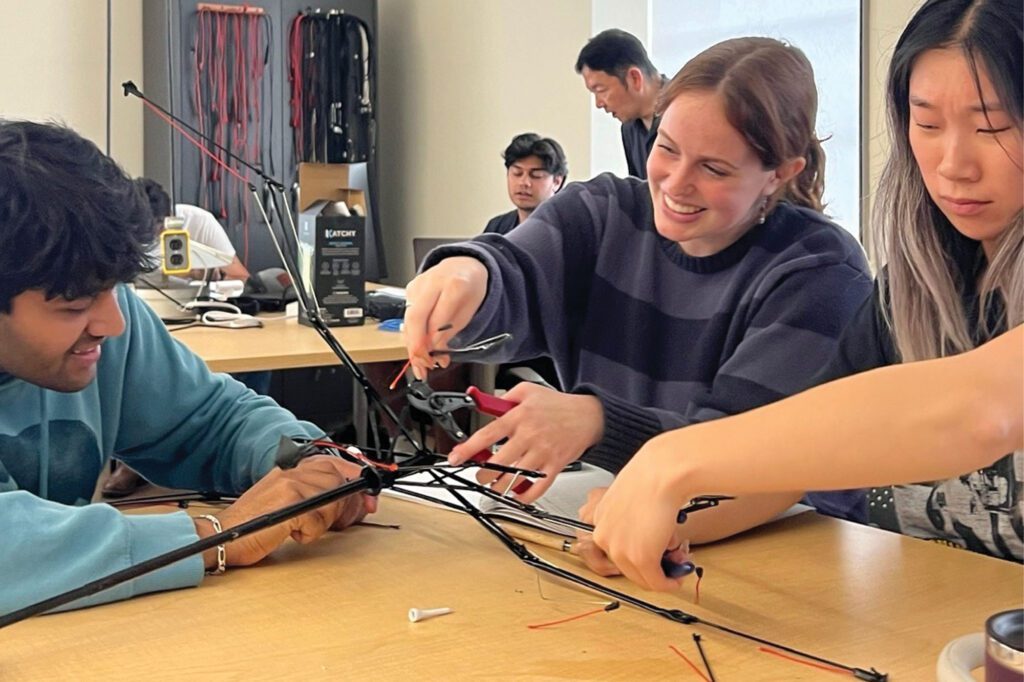
During my undergraduate program, I was able to take a few classes in the R.F. Smith School as my focus area electives, and I really enjoyed them. This made me start looking into doing my M.Eng. in ChemE, and now that I am in the program, I’ve been able to take classes in fields I never thought I would be interested in, like data science and artificial intelligence. The broad nature of the ChemE M.Eng. program lets me explore classes in other departments and tailor my studies to my specific interests.
Brief description of your M.Eng. design project?
My project is entitled “Developing a Technology Transfer Readiness Scorecard for Monoclonal Antibody Production.” My team is assisting an international pharmaceutical company Kyowa Kirin in their transition to opening a U.S. office. To help them establish the U.S. bioprocessing facility, we are assessing the risks involved with each step of the process and creating a tool for the company to use to guide them through the technology transfer.
What’s the most rewarding part of your Cornell experience so far?
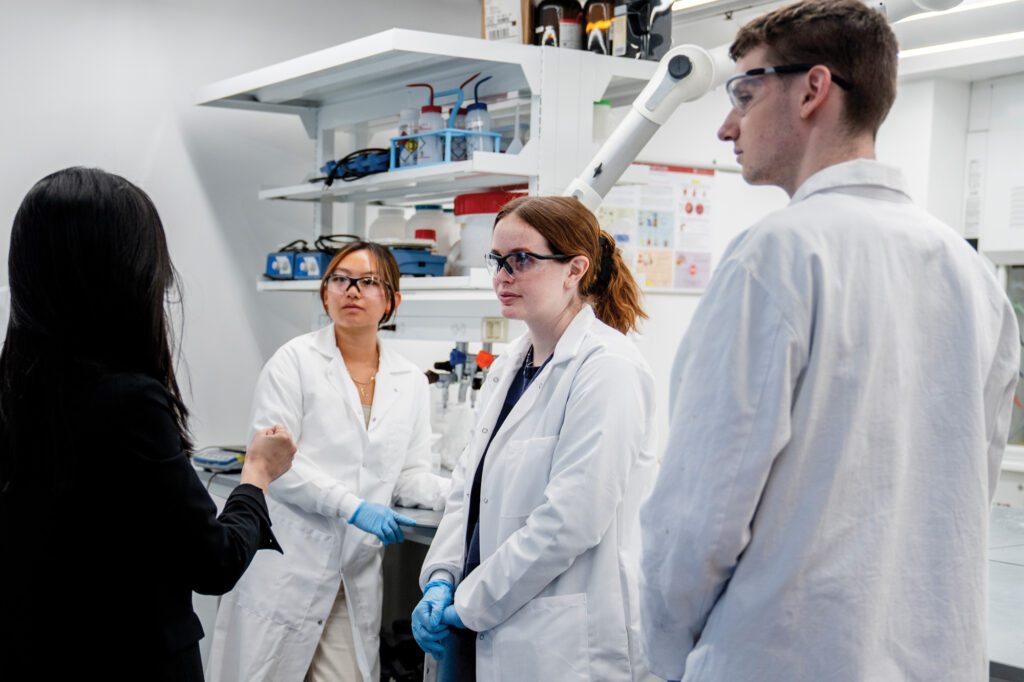
My favorite class I’ve taken in my M.Eng. has been ChemE 6400, Polymeric Materials with Professor Rong Yang. That class taught me so much about polymers and their applications, and we got to do a hands-on lab unit where we made our own “popping boba” by extracting alginate from seaweed and purifying and processing it. Since I started my undergraduate as a biological engineering student, I always thought that after I graduate I would go into something pharmaceutical research related. ChemE 6400 let me see how polymers are used in other industries like consumer goods and sustainability, and I have since learned so much about the other industries that chemical engineers work in.
Advice for future students?
Don’t be afraid to go outside your comfort zone and take classes that might fall outside of your major or Master’s requirements!
Favorite Cornell or Olin Hall Memory?
My favorite Olin Hall memory was when I got to meet all of the new M.Eng. students who did their undergrad at other schools during orientation! I made some amazing long-term friends that I otherwise would never have met.
What’s next?
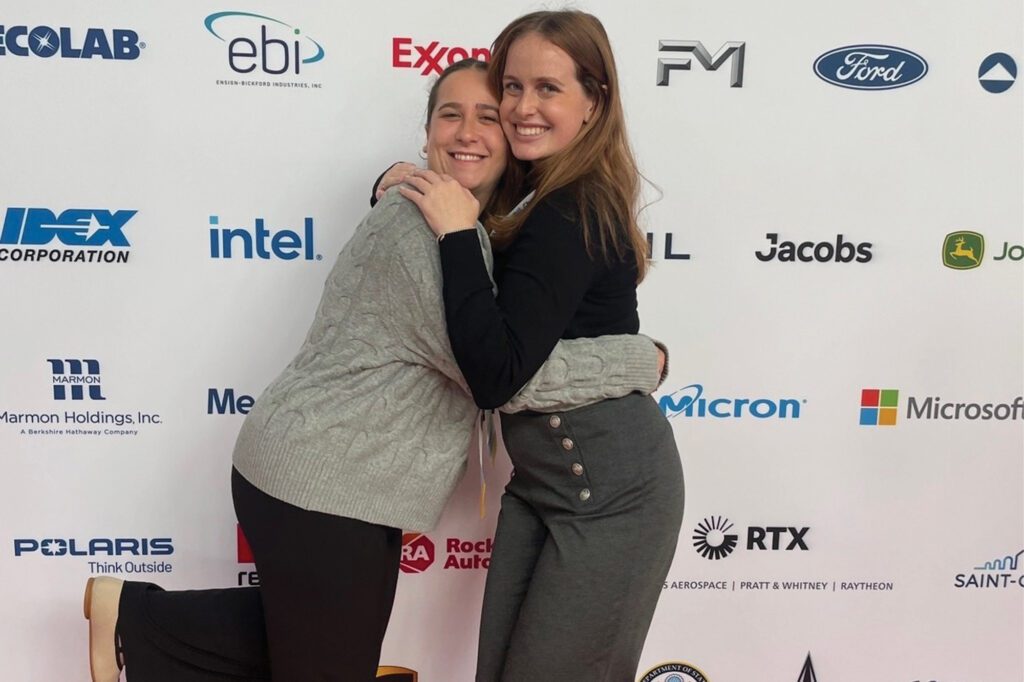
After I graduate in December, I plan to do some traveling with friends before starting as an Associate at Stroud International in Boston!