The Meinig School newsletter is published once a year. For all the most recent news, visit Cornell Engineering news page.
Message From the Director
At the Meinig School of Biomedical Engineering, our mission is to educate students to understand the human body through engineering and to conduct pioneering research that drives innovation and discovery. This year, our community has focused on some of medicine’s most pressing and often overlooked challenges, while also reflecting on the importance of safeguarding the future of research. From creating miniature virtual reality headsets for mice in order to study memory, to uncovering the cellular changes that drive muscle aging, our faculty and students continue to show how engineering can illuminate life’s most fundamental processes – and translate that knowledge into therapies, devices and diagnostics.
We also launched the Menopause Health Engineering initiative, a bold new effort to better understand the biological transitions women experience as they age. Long under-researched despite its profound impact on half the world’s population, this area is now at the center of groundbreaking collaborations across Cornell that promise to improve care for women – and ultimately for all.
At the same time, these advances remind us that progress depends on strong support for research. With federal funding uncertain, our community is speaking up for science, emphasizing that research safeguards lives and creates opportunities for generations to come.
Along the way, we’ve celebrated new endowed professorships, national honors for faculty and staff, student awards and the arrival of new colleagues whose expertise strengthens our mission.
With every step forward, the Meinig School reaffirms Cornell’s core values: excellence, innovation, collaboration and purpose. I am deeply grateful for the work of our faculty, students, alumni and partners – and for your support – as we continue shaping the future of health and well-being together.
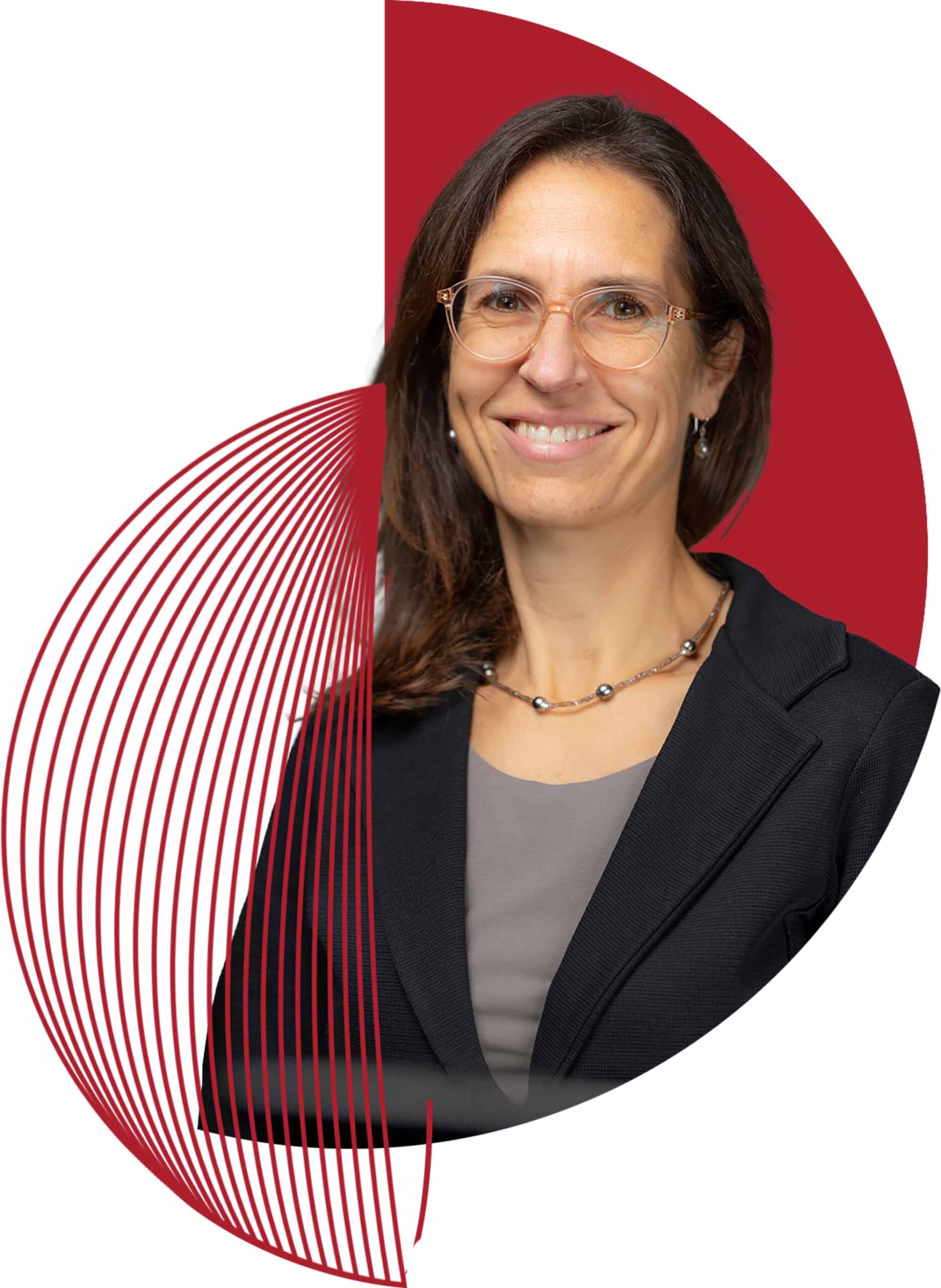
Claudia Fischbach-Teschl
James M. and Marsha McCormick
Director of Biomedical Engineering
Stanley Bryer 1946 Professor of Biomedical Engineering
Feature Stories
-
![Kayla Wolf stands with student holding a device in a lab.]()
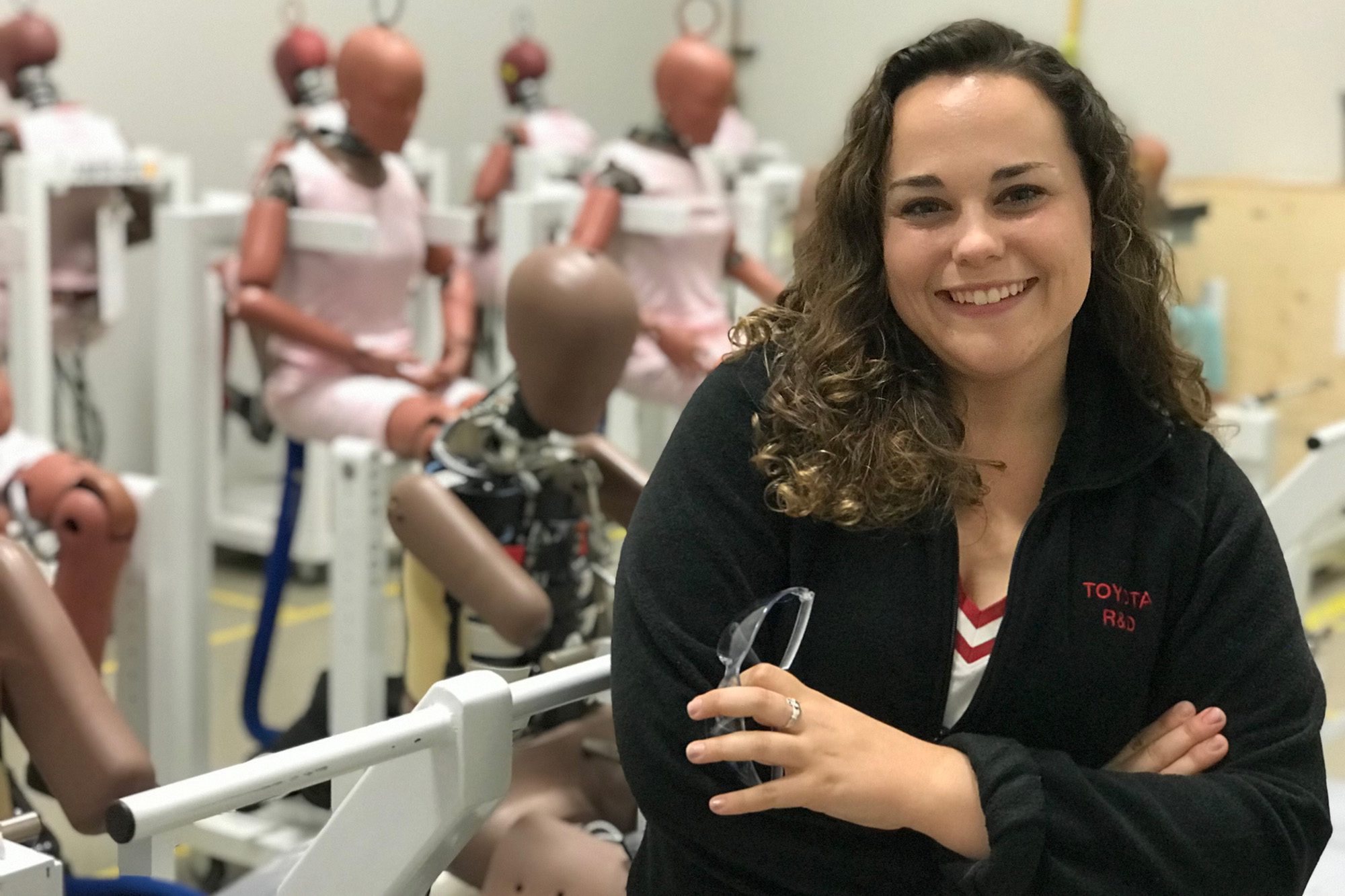
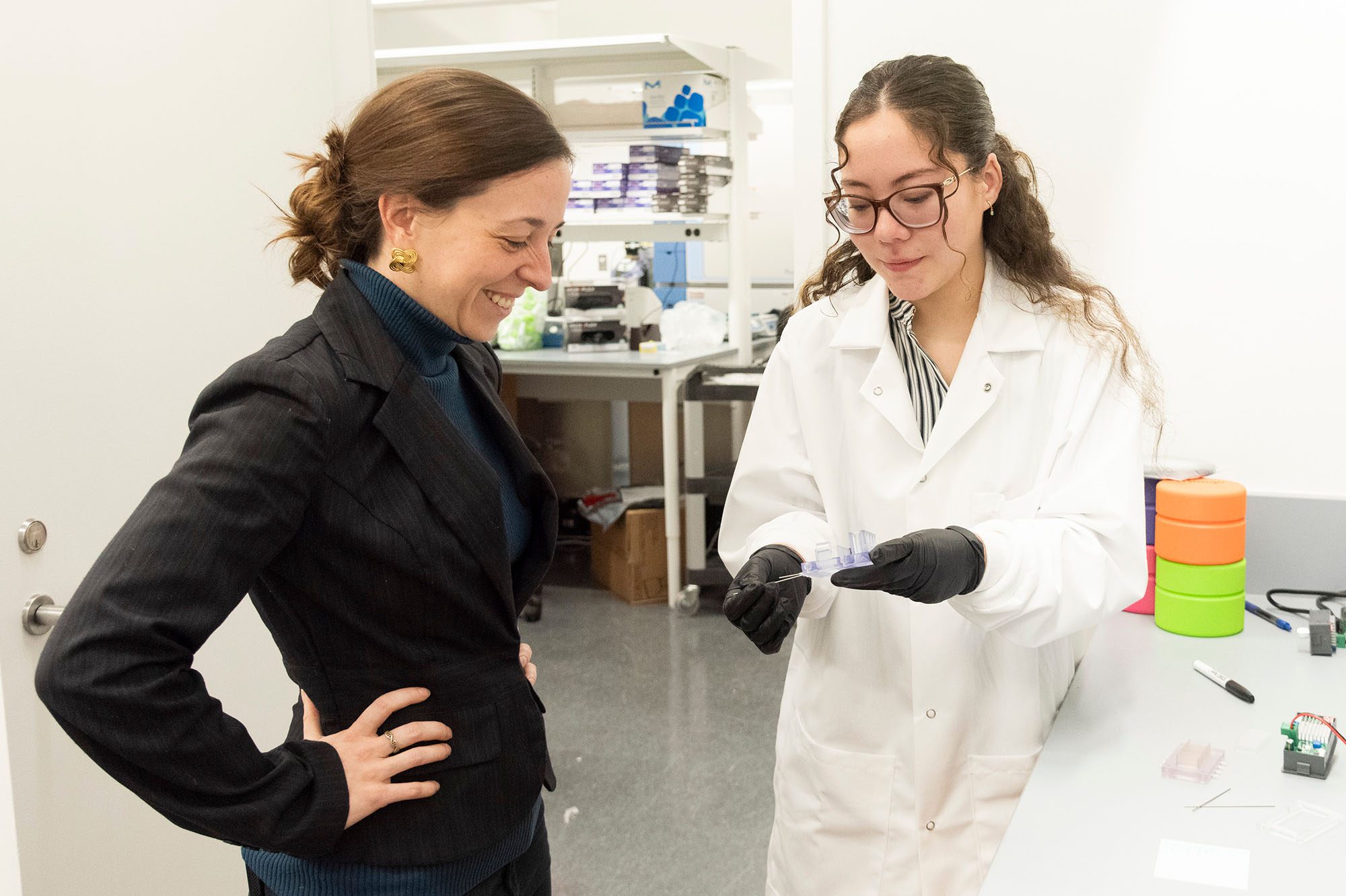
Cornell launches bold research initiative to unravel the science of menopause
Menopause affects half the population, yet for centuries, science barely gave it a second thought. Cornell is changing that.
-
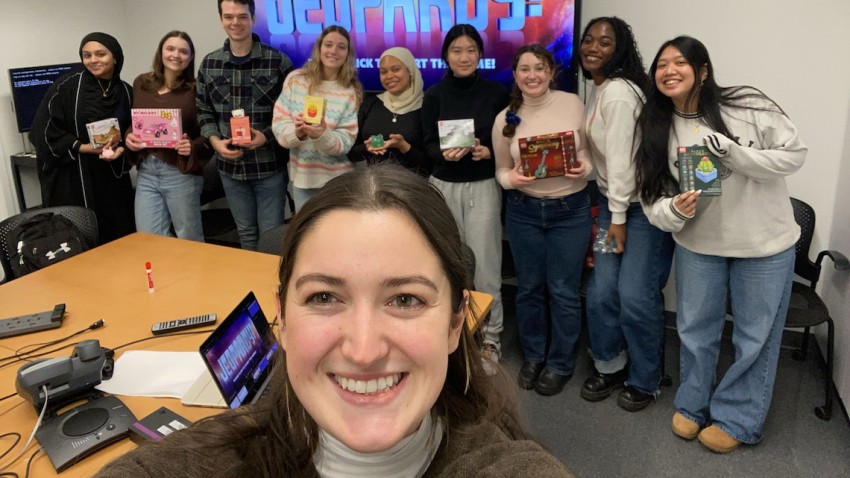
![Undergraduates sit together with decorated gingerbread houses.]()
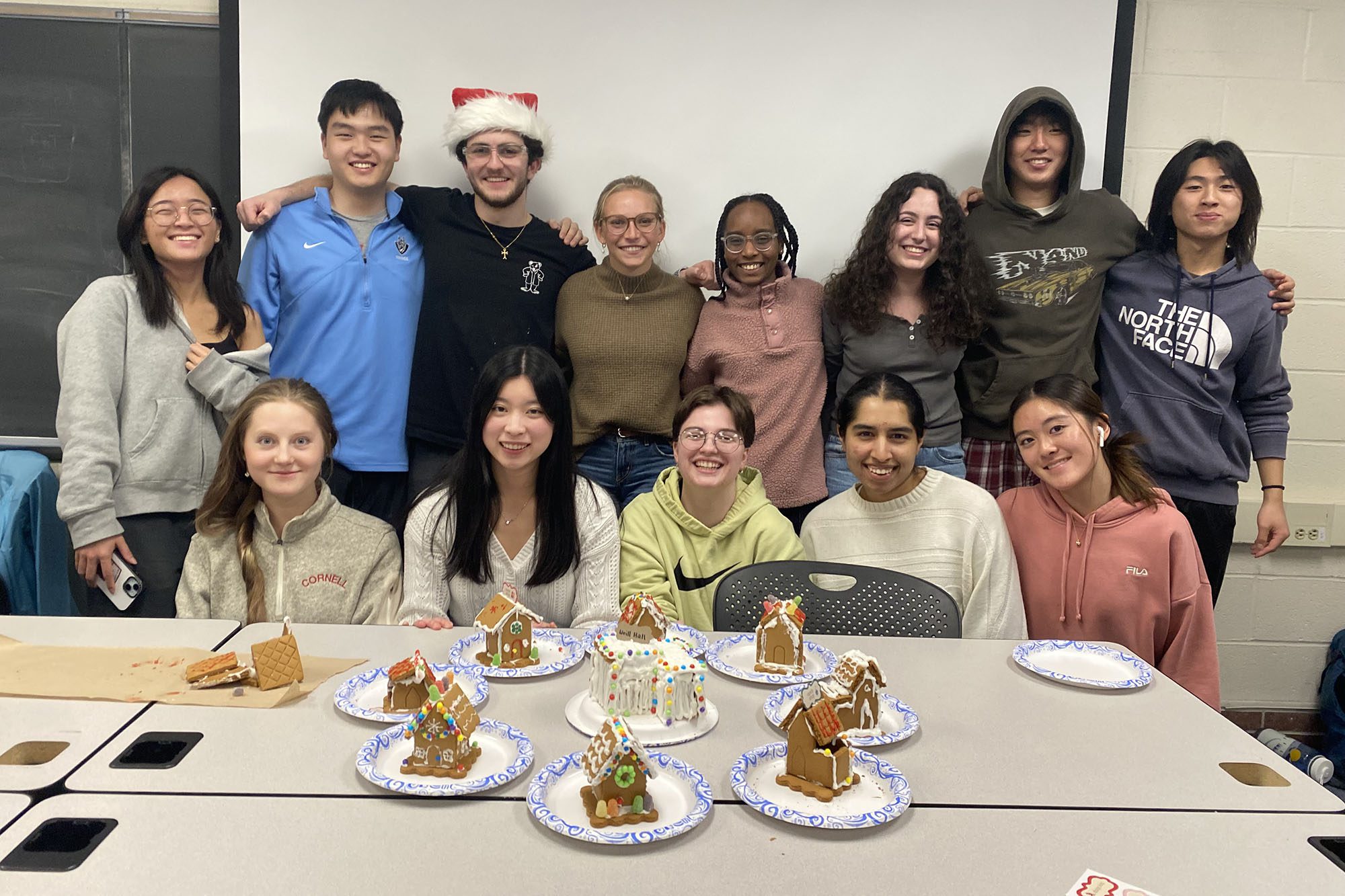
Career-readiness initiatives connect students with alumni, faculty and peers
Over the past year, the Meinig School has partnered with Engineering Career Services to enhance students’ career development through targeted, year-round programming.
-
![Alex Werth chats with undergraduate students in the engineering education research EER classroom.]()
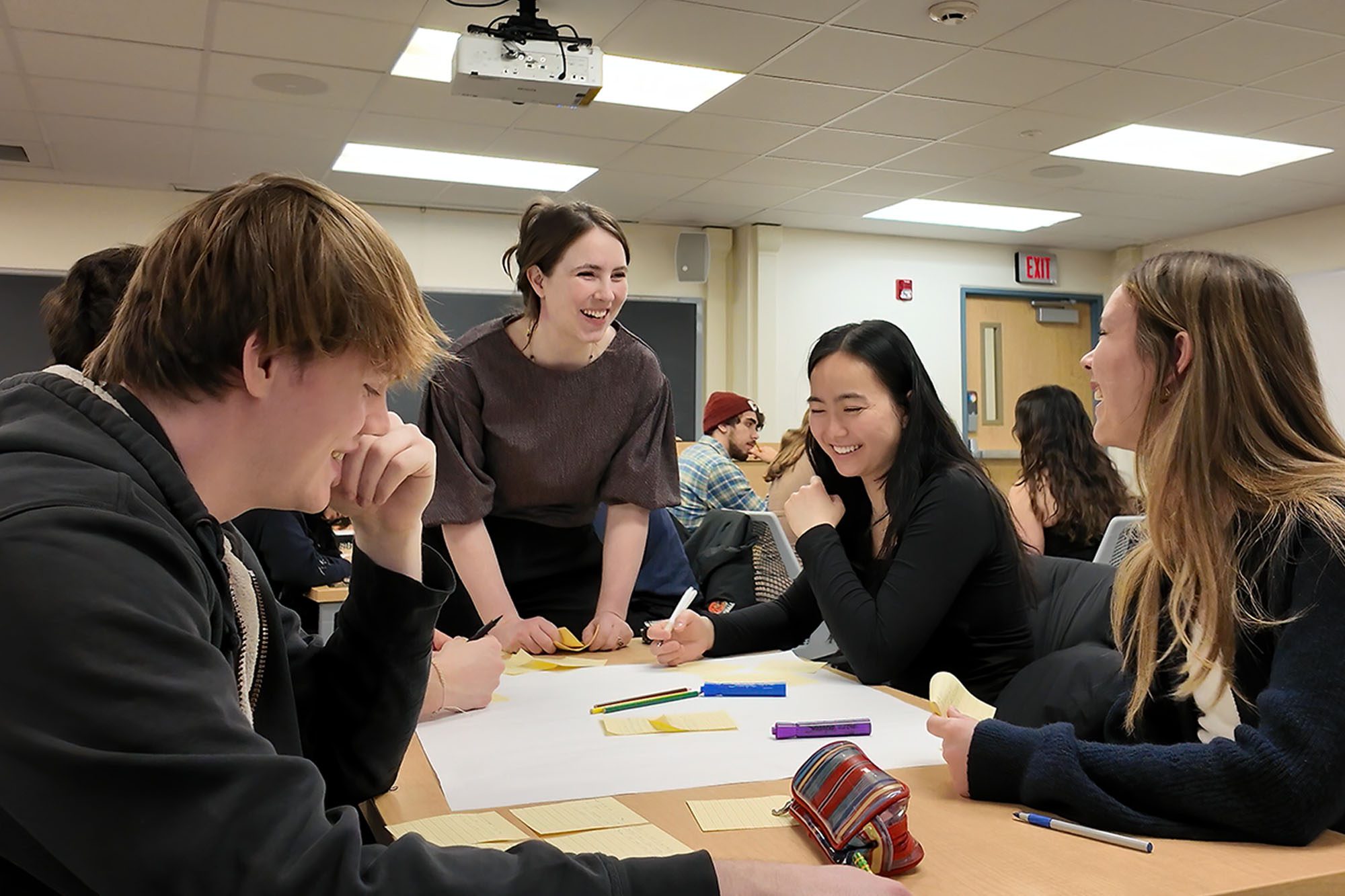
Revolutionizing how we teach: Meinig School leads innovation in engineering education
Engineering Education Research (EER) is transforming the Meinig School’s curriculum and setting a new standard for engineering education at Cornell.
-
![Cornell Engineering Touchdown Medical Technologies (TMT) An innovative start-up simulation logo: bear silhouette in a gear shape]()
Designing Engineers: The unique learning model behind Touchdown Medical Technology
Bridging the gap between academia and industry, the new Touchdown Medical Technology complex at Cornell’s Tang Hall gives Meinig School Master of Engineering (M.Eng.) students the unique opportunity to engineer real-world solutions from concept to commercialization
-
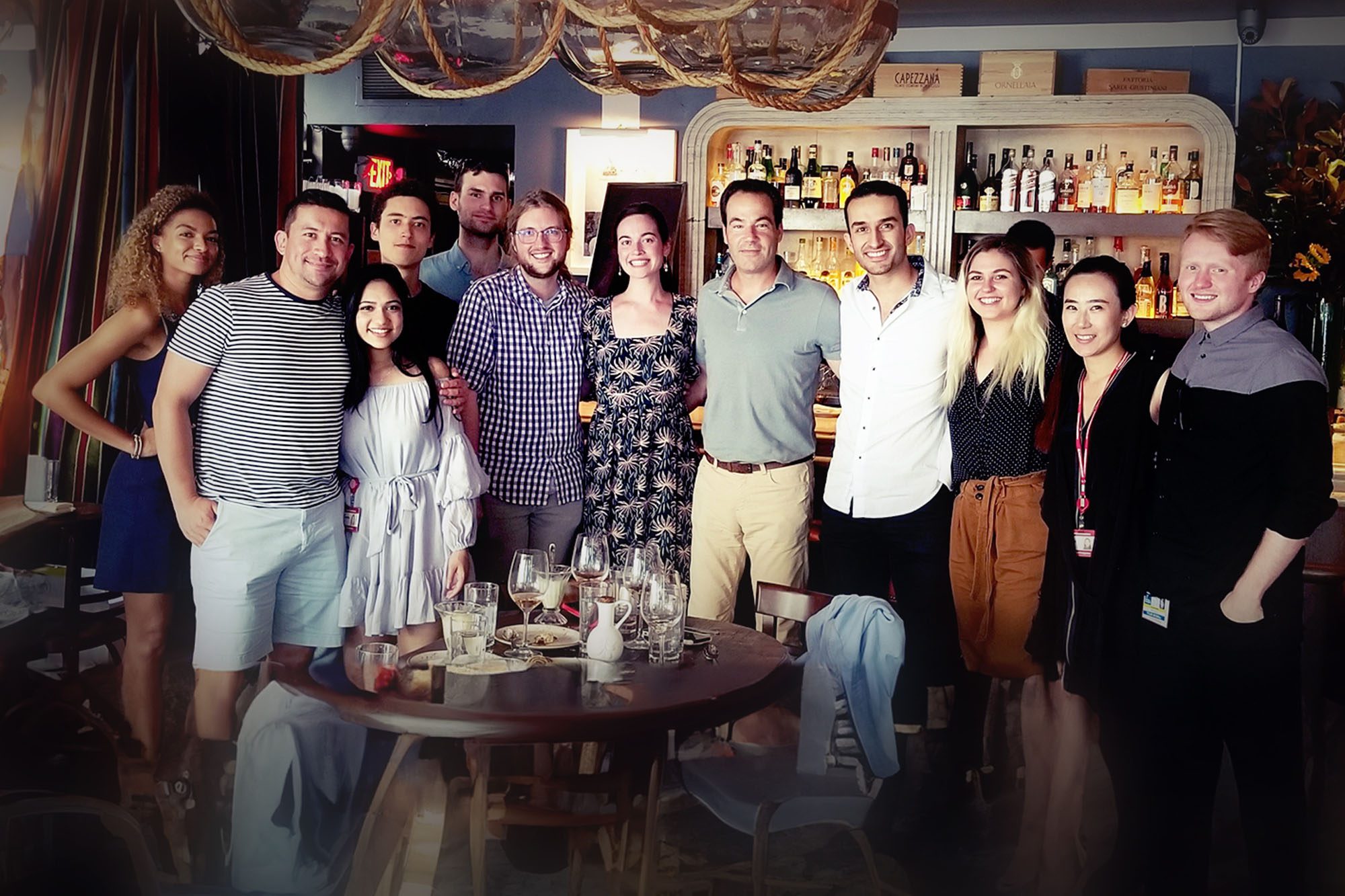
![Jason Spector stands with PhD clinical immersion students at a restaurant in New Yor City.]()
Partnership bridges engineering and medicine to drive translational research
Dr. Jason Spector ’91, a plastic surgeon and Cornell alumnus, calls his longtime collaboration with Cornell’s Meinig School of Biomedical Engineering an “ideal partnership.” Over the past 18 years, Spector has worked closely with faculty and graduate students, leading to multiple surgical innovations.
Research Highlights
-
![RNA]()
Researchers identify key biomarkers for chronic fatigue syndrome
Researchers developed machine-learning models that can sift through cell-free RNA and identify key biomarkers for chronic fatigue syndrome, a debilitating disease that is difficult to confirm in patients because its symptoms can be easily confused with those of other illnesses.
-
![RNA code]()
‘Stealthy’ lipid nanoparticles give mRNA vaccines a makeover
A new material developed at Cornell could significantly improve the delivery and effectiveness of mRNA vaccines – used to fight COVID-19 – by replacing a commonly used ingredient that may trigger unwanted immune responses in some people.
-
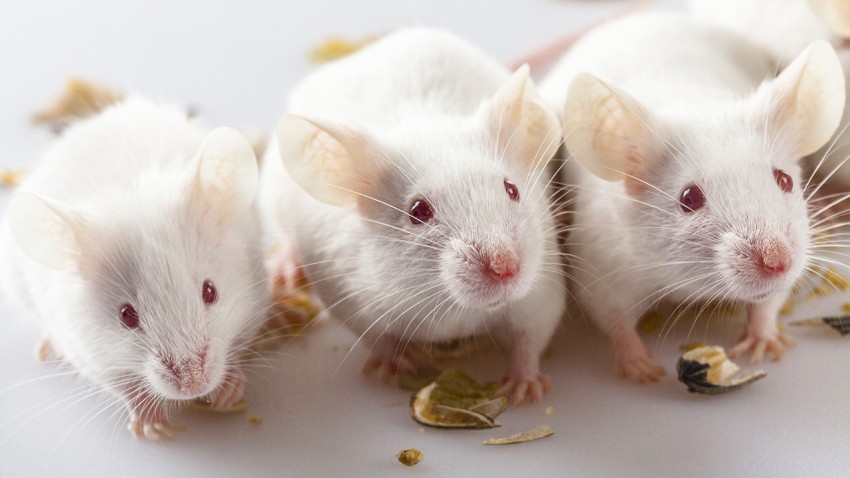
![Mouse wearing goggles]()
MouseGoggles offer immersive look into neural activity
Cornell researchers built miniature VR headsets to immerse mice more deeply in virtual environments that can help reveal the neural activity that informs spatial navigation and memory function and generate new insights into disorders such as Alzheimer’s disease and its potential treatments.
-
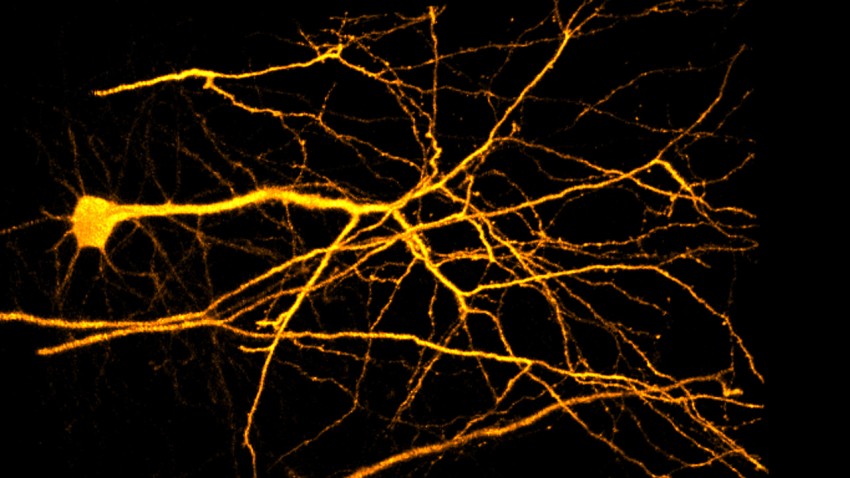
![Researchers used two-photon microscopy to image pyramidal tract neurons and discovered this cell type is essential for psilocybin’s long-term behavioral effects.]()
Hitting the target: Imaging reveals psilocybin’s neural odyssey
Cornell researchers have identified a pair of key neurological mechanisms in the brain – a cell type and receptor – that enable the psychedelic compound’s long-lasting effects.



-
![]()
From slime molds to corporations, traveling networks chart a new path
A tiny eukaryotic organism provided inspiration for modeling “traveling networks” – connected systems that move by rearranging their structure. Understanding these networks may help explain the behavior of certain biological systems and human organizations.
-
![]()
Mouse study captures aging process at the cellular level
Cornell Engineering researchers have created the most comprehensive portrait to date of how muscle cells lose the ability to regenerate in aging mice.
-
![Iwijn De Vlaminck, left, and Hao Shi of Kanvas Biosciences at the McGovern Family Center for Venture Development in the Life Sciences.]()
Kanvas Biosciences harnesses the power of the microbiome
Company was launched through the Center for Life Science Ventures with technology licensed through the Center for Technology Licensing.
-
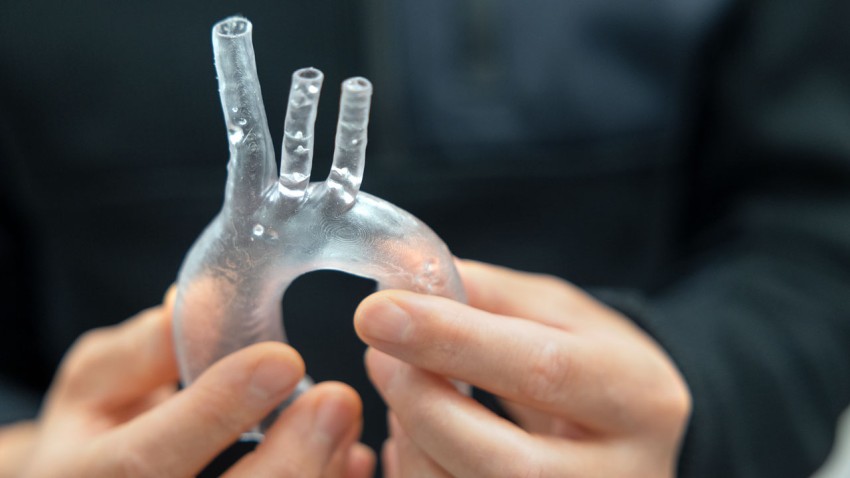
![Anova Biomedical's first-of-its-kind biodegradable graft material for cardiovascular patients not only expands and contracts likek blood vessels; it is also absorbed into the body as new cells take its place.]()
New biodegradable graft could help cardiovascular patients
The first-of-its-kind material not only expands and contracts like blood vessels but is also biodegradable; new vascular cells to grow around the graft as the body absorbs it.


-
![A smart sensor that attaches to the tip of a syringe can measure, in real time, the concentration and viability of the cells that pass through it – a potential breakthrough for biomedical 3D printing and cell therapy.]()
From lab to patent: Undergrad creates smart syringe for bioprinting
A smart sensor that attaches to the tip of a syringe can measure, in real time, the concentration and viability of the cells that pass through it – a potential breakthrough for biomedical 3D printing and cell therapy.
-
![cells in petri dish]()
New approach moves cell therapy closer to treating many disorders
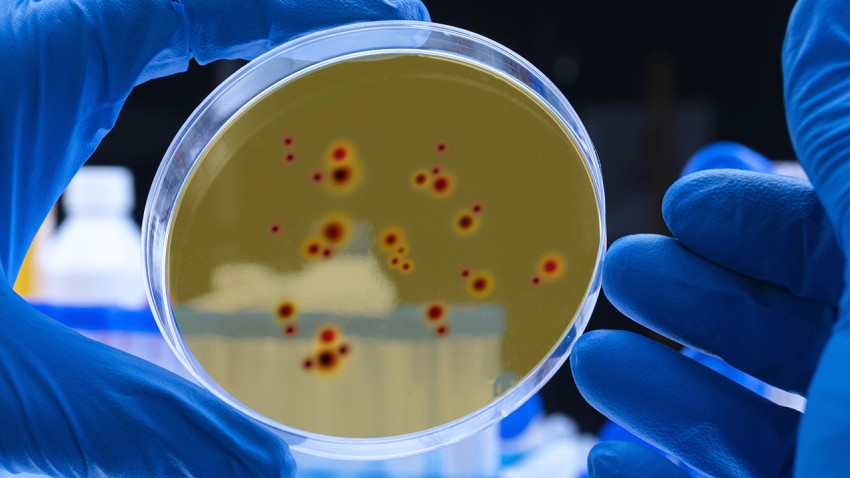
The study paves the way for using the novel manufacturing process and quality controls to move cell therapy production further along toward applying it in a clinic.
-
![]()
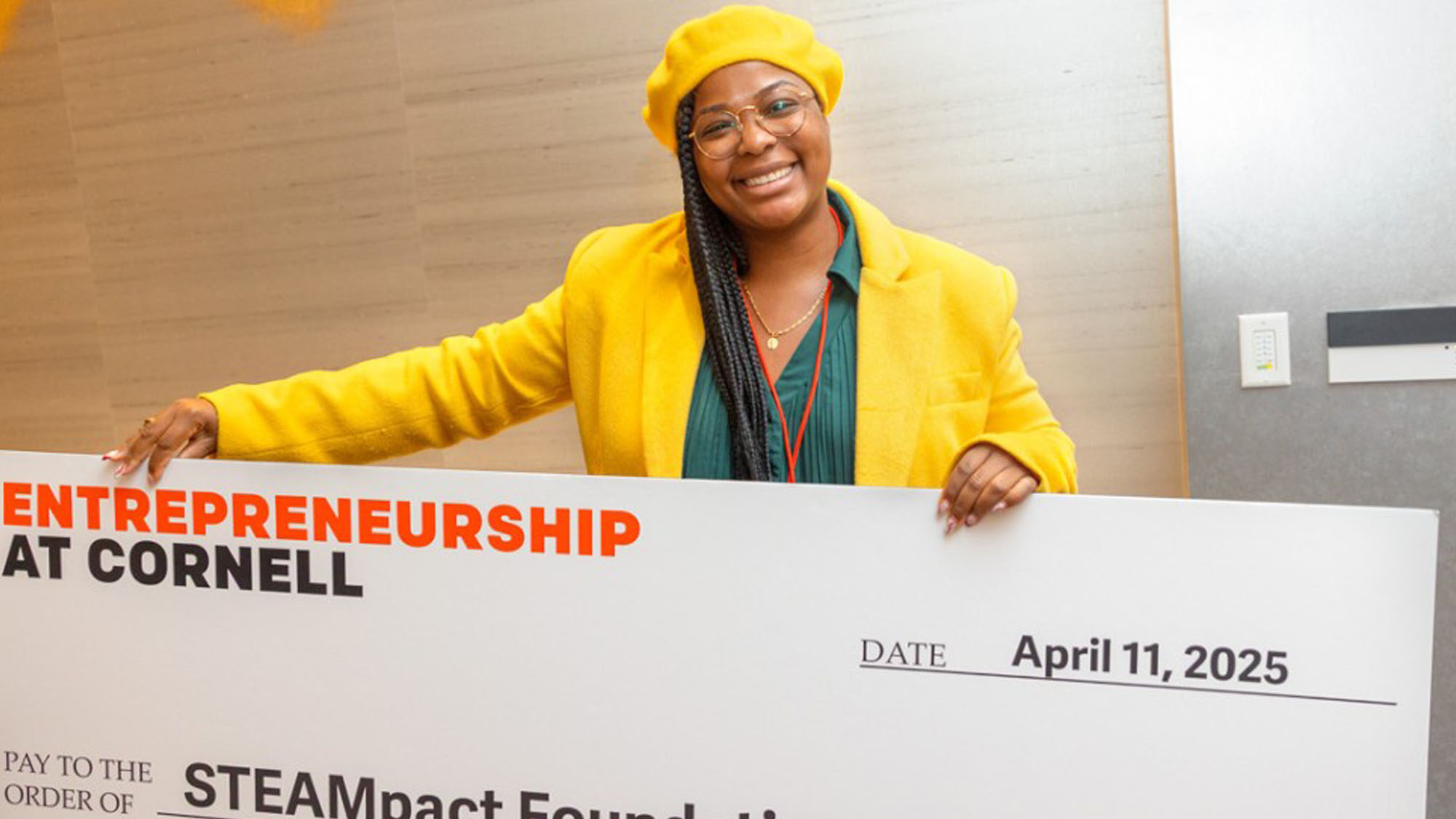
Samsara, Meraki co-founder honored at entrepreneurship celebration
More than 300 alumni, students, faculty, staff and community members joined Celebration Ezra 2025 on April 10-11, to network, get inspired and honor the Cornell Entrepreneur of the Year John Bicket ’02.

Research at Risk
-
![In Goldwin Smith Hall on Feb. 28, Peter Loewen, the Harold Tanner Dean of the College of Arts and Sciences and professor of government, spoke during the “Science Under Siege?” faculty panel discussion hosted by the Department of Science and Technology Studies.]()
Panels discuss federal research funding threats, opportunities
Experts discussed support for science research during a pair of panels organized by faculty and students on Feb. 28.
-
![Cornell doctoral students with Rep. Josh Riley]()
Sixteen doctoral students lobby on Capitol Hill
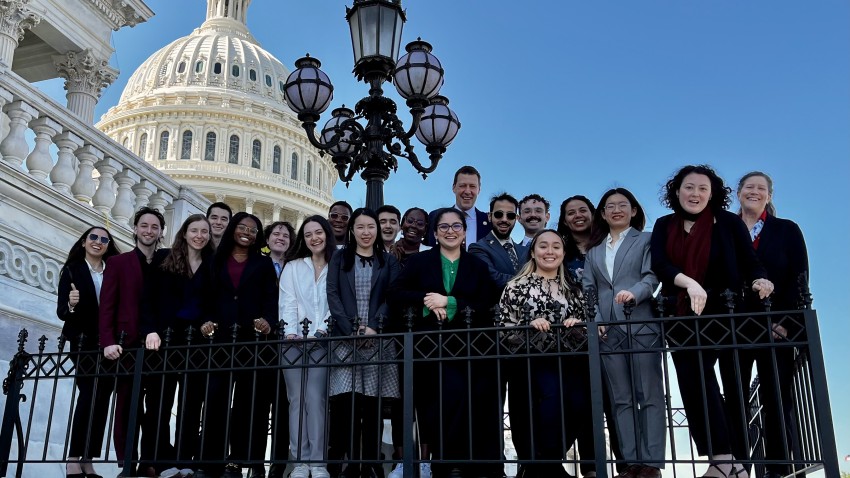
Sixteen doctoral candidates traveled from the Ithaca campus and Weill Cornell Medicine in New York City to Capitol Hill April 9 for the annual Cornell Ph.D. Student Advocacy Day.
-
![]()
Cornell student campaign for research support reaches 50 states
In a nationwide campaign led by Cornell students, more than 500 scientists have committed to writing letters and op-eds in their hometown newspapers across all 50 states – each one a personal appeal on why public investment in research matters.


News and Events
-
![Jill Tarter]()
Jill Tarter ’65 keynotes celebration of women engineers at Cornell
Renowned astronomer and engineer Jill Tarter ’65 delivered the keynote address at a two-day symposium celebrating 140 years of women in engineering at Cornell, which also featured panel discussions and remarks from women leaders.
-
![Joseph and Helen Lai and family stand with Claudia Fischbach in Tang Hall teaching space.]()
Lai family gift advances hands-on learning in Tang Hall
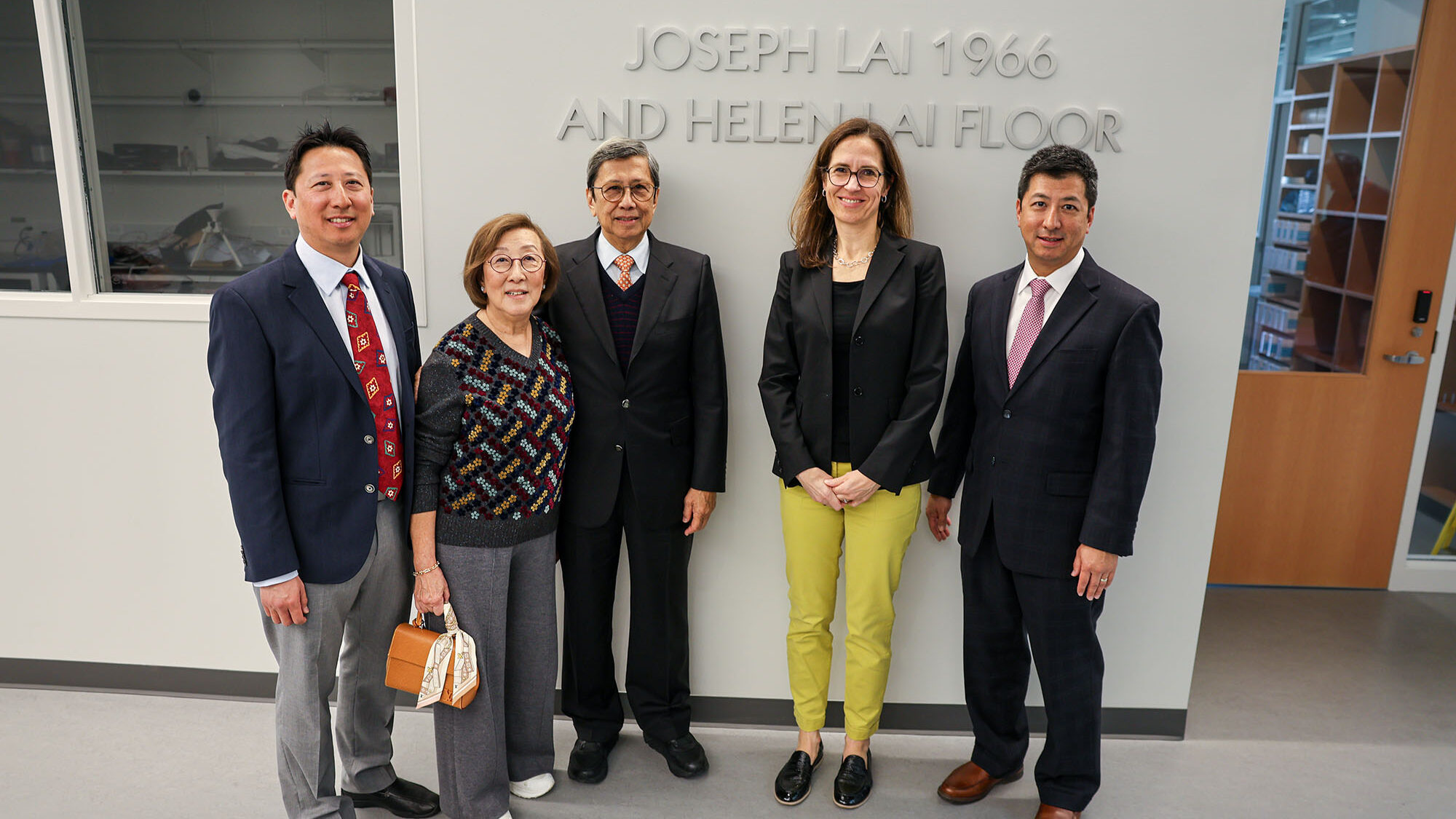
In April, Cornell Engineering dedicated a new teaching space in honor of Joseph Lai ’66, inventor of the portable pulse oximeter. Lai and his family returned to campus for the celebration.
-
![]()
Ready to inspire: Fellowship program turns students into educators
The Graduate Assistance in Areas of National Need program, or GAANN, funds and trains graduate students to teach engineering concepts as a lead instructor in the classroom.
-
![]()
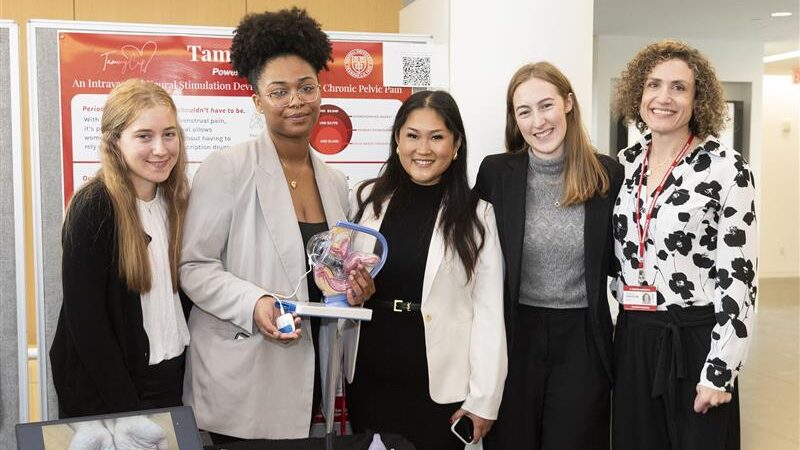
Innovators Encourage Scientists and Physicians to Dive into Technology Commercialization
When Dr. Tamatha Fenster received a call from a young patient requesting a refill on her Oxycodone for pelvic pain, she was faced with a dilemma: letting the patient remain in pain or refill a prescription and perpetuate an opioid dependency.

New Faculty

New Staff
-
![]()
Linds Mulholland brings global insight and warmth to M.Eng. student support
Linds Mullholland joins as M.Eng. coordinator, supporting a wide range of administrative functions for the M.Eng. in biomedical engineering program.
-
![Julia Kleponis]()
Julia Kleponis brings student perspective and passion to the teaching lab
Julia Kleponis joins as teaching support specialist, working with undergraduates in the Tang Hall teaching labs.