Page Contents
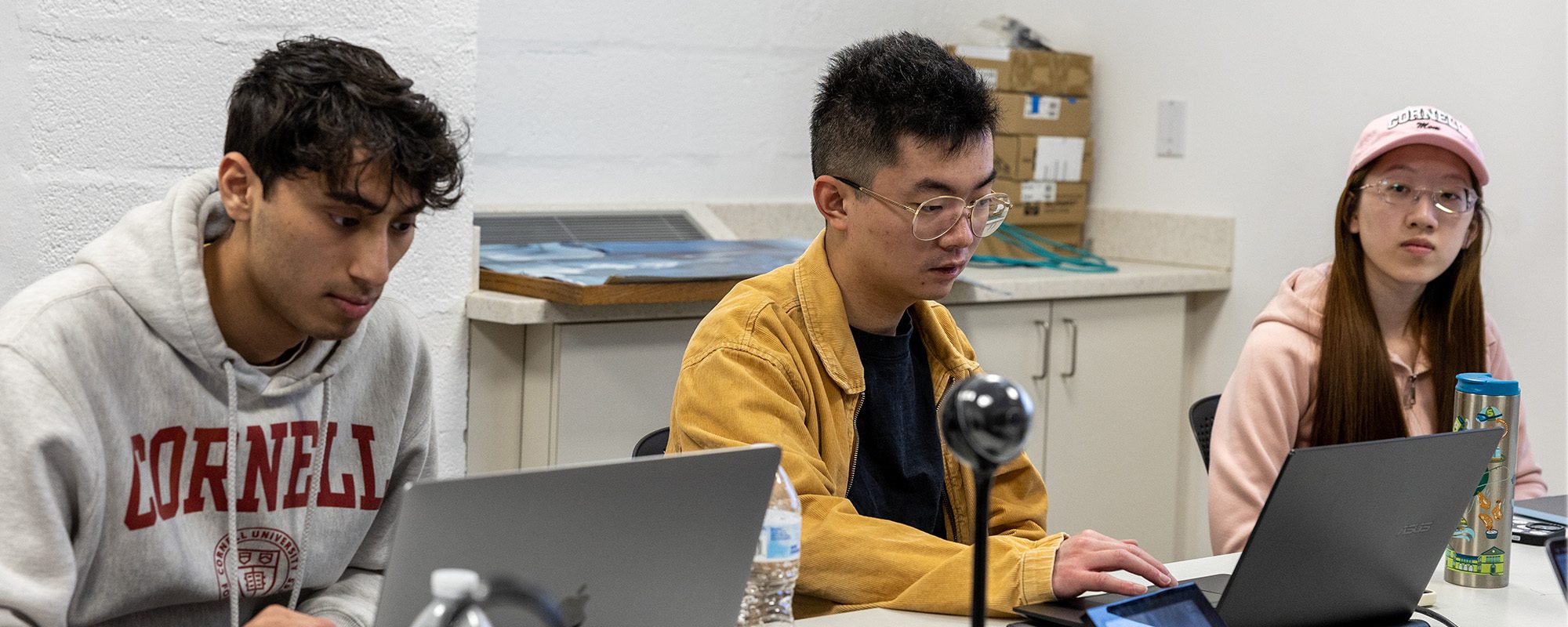
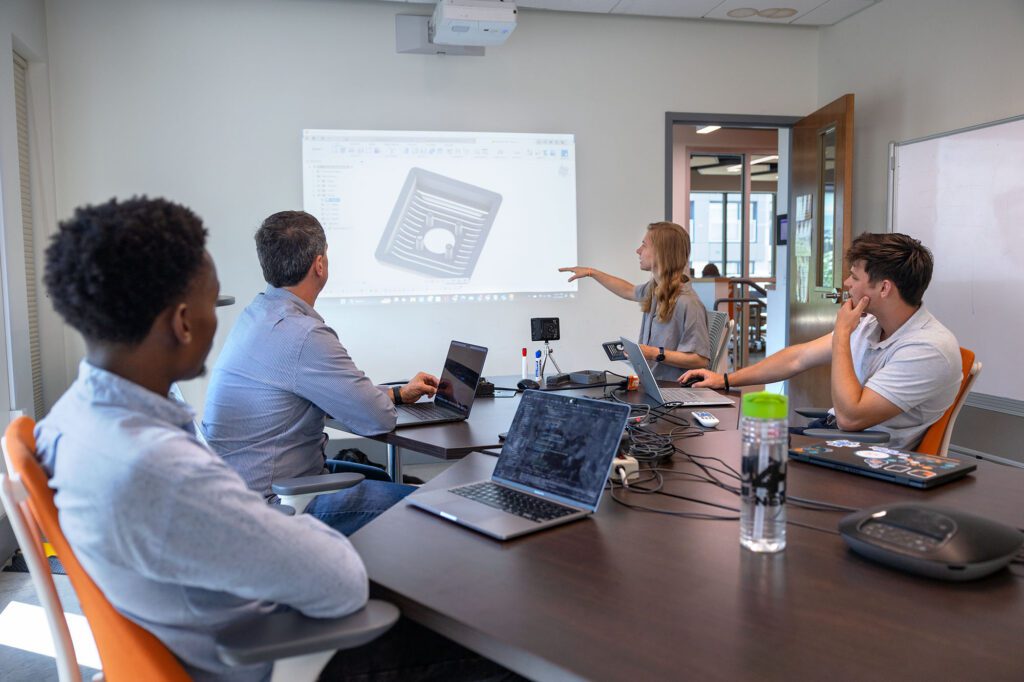
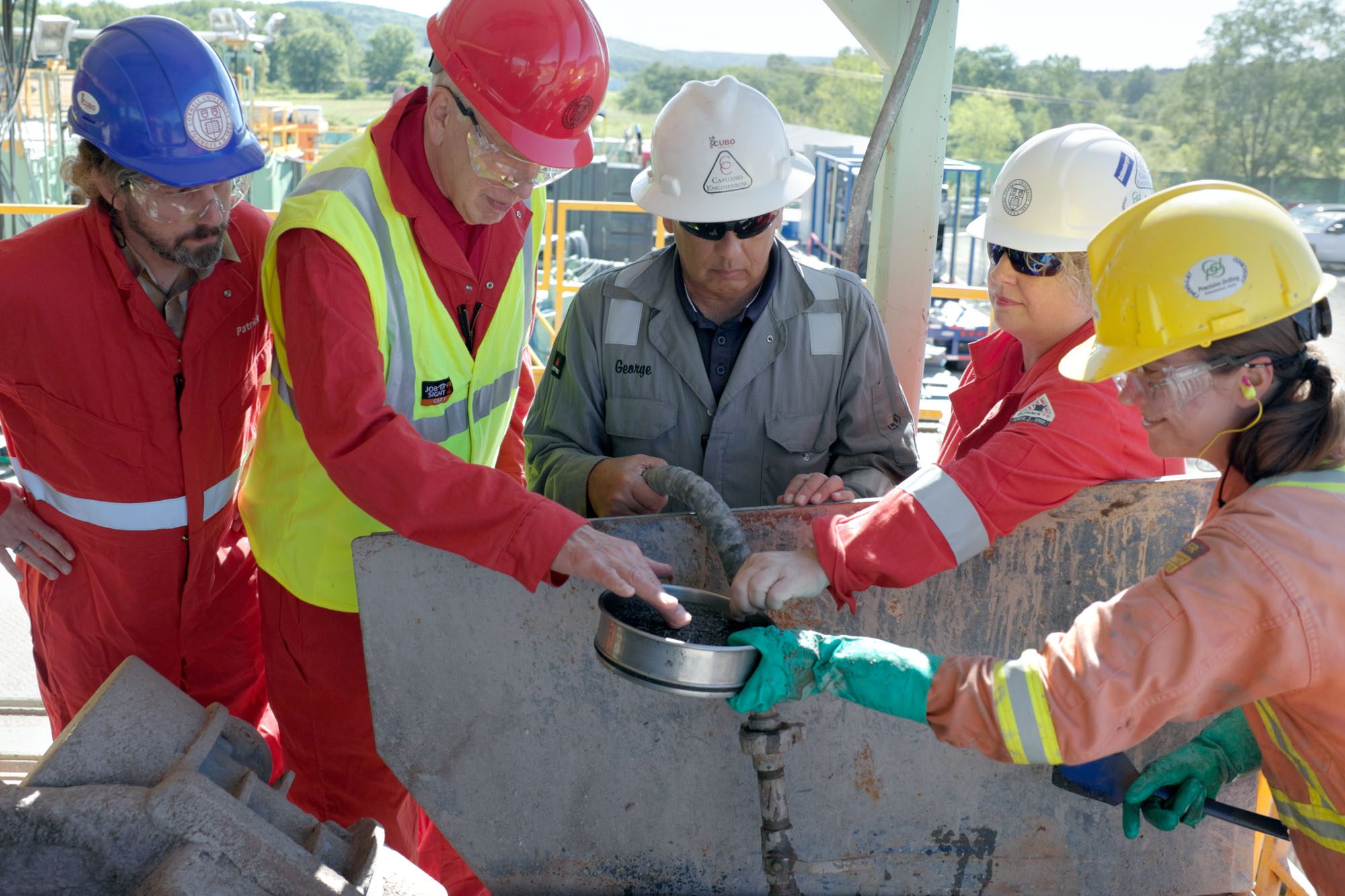
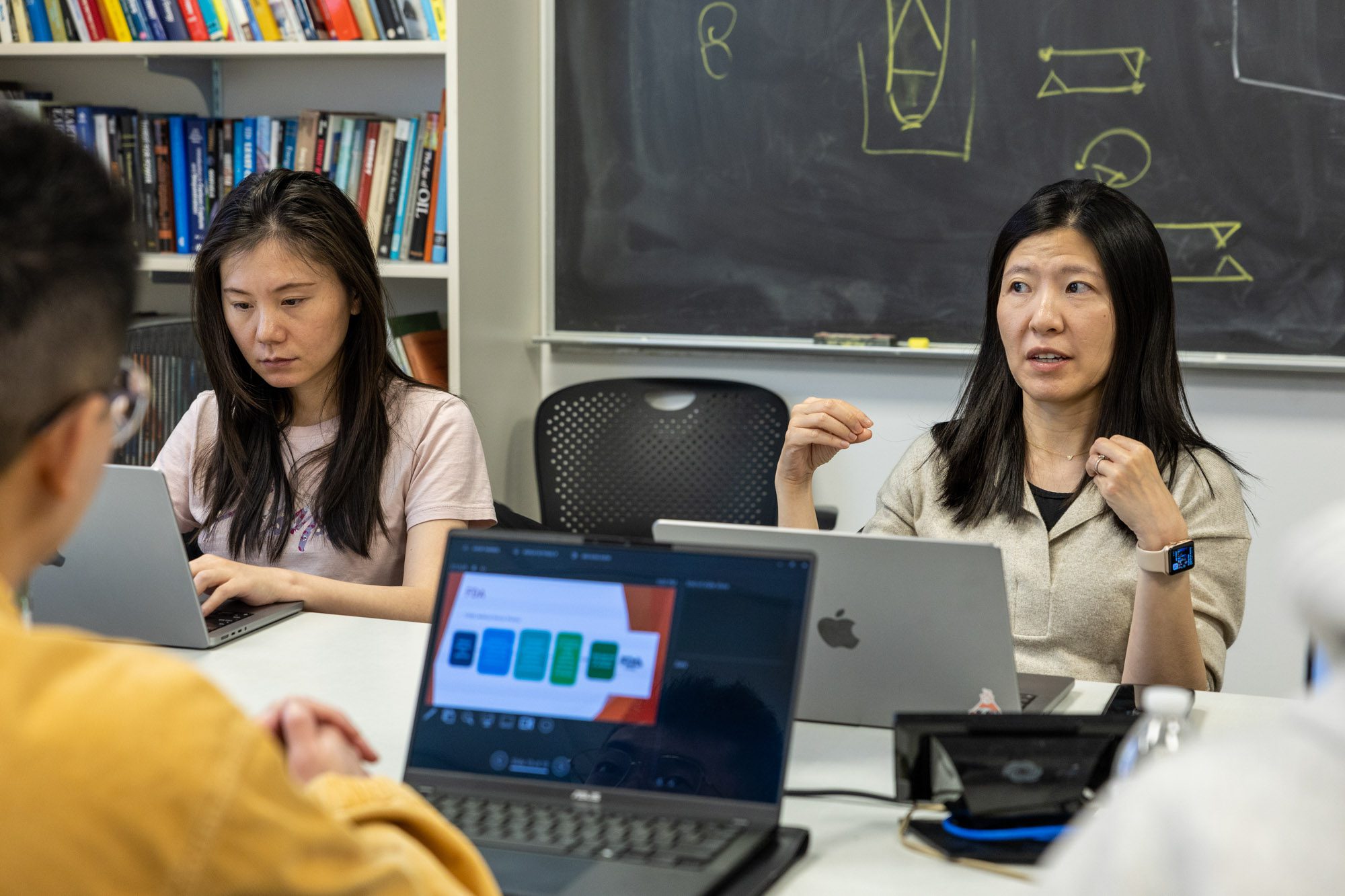
The team-based projects are industry-inspired and conducted under the mentorship of a faculty member. You will earn four total credits for your project work. To replicate real-world scenarios and implications, M.Eng. projects will be team based and incorporate a financial analysis and feasibility study component. This requirement, based in project management principles, builds your skills in teamwork, leadership, effective communication skills and design aspects of industrially-relevant processes and products.
Recent M.Eng. Projects



Integrating AI and Advanced Modeling to Improve EV Battery Pack Safety and Durability in an Evolving Market
Industry Sponsor: W.L. Gore & Associates
This project aims to tackle the critical issue of moisture ingress in EV battery packs. As batteries become more compact and energy-dense, and as they age and are exposed to diverse environments, moisture intrusion becomes a growing concern. Moisture can lead to degraded performance, safety risks, and a reduced battery lifespan. By using advanced predictive modeling, including reduced-order and AI-based models, this project will investigate venting technologies as a potential solution.
Technology Transfer Readiness Scorecard for mAb Processes
Industry Sponsor: Kyowa Kirin
This project aims to develop a standardized Technology Transfer Readiness Scorecard for monoclonal antibody (mAb) processes transitioning from development to GMP manufacturing. Grounded in ICH and FDA guidelines, the scorecard integrates risk-based tools like FMEA, DoE, and RACI matrices to assess readiness across domains such as process knowledge, regulatory compliance, and operational alignment. Through stakeholder engagement, mock evaluations, and pilot testing, the tool will be refined for usability and reproducibility. The final outcome includes a validated scorecard and SOP to support consistent, compliant, and efficient tech transfer across multiple mAb programs.
Battery Storage for Renewable Integration: Tesla BESS Facility Design
Industry Sponsor: Tesla
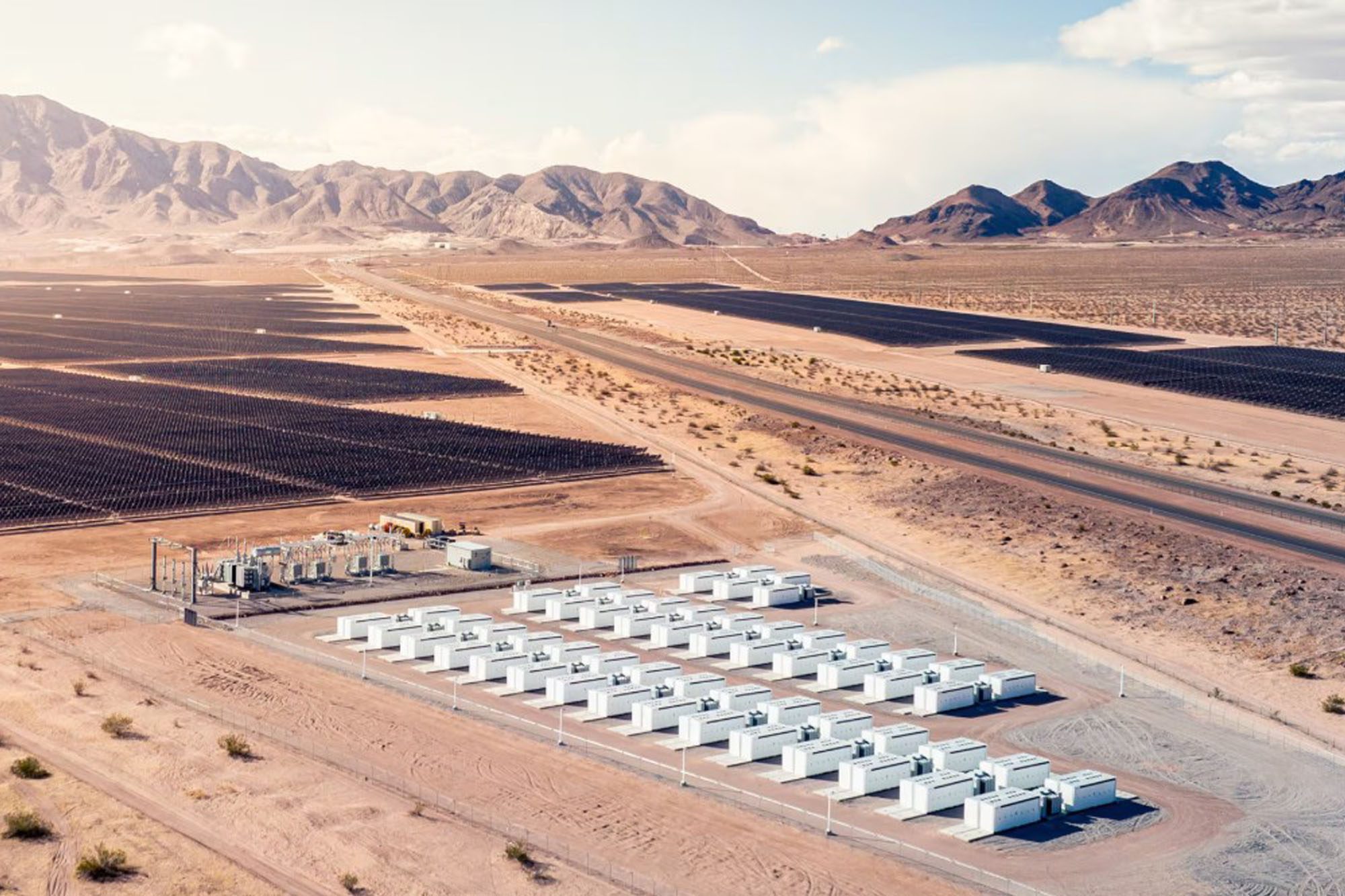
This project explores the development of a utility-scale Battery Energy Storage System (BESS) to support the U.S. power grid’s transition to sustainable energy. It involves a full feasibility study—from site selection and system sizing to financial modeling—aiming to design a reliable, cost-effective solution that integrates renewables and enhances grid stability. Key tasks include selecting appropriate battery technology (e.g., lithium-ion) and balance-of-system components (inverters, transformers, controls), justified by performance, cost, and reliability. The BESS will deliver services such as energy arbitrage and ancillary grid support.
Innovative Thermal Management Solutions for Commercial Photovoltaic (PV) Systems
Faculty Sponsor: Tobias Hanrath
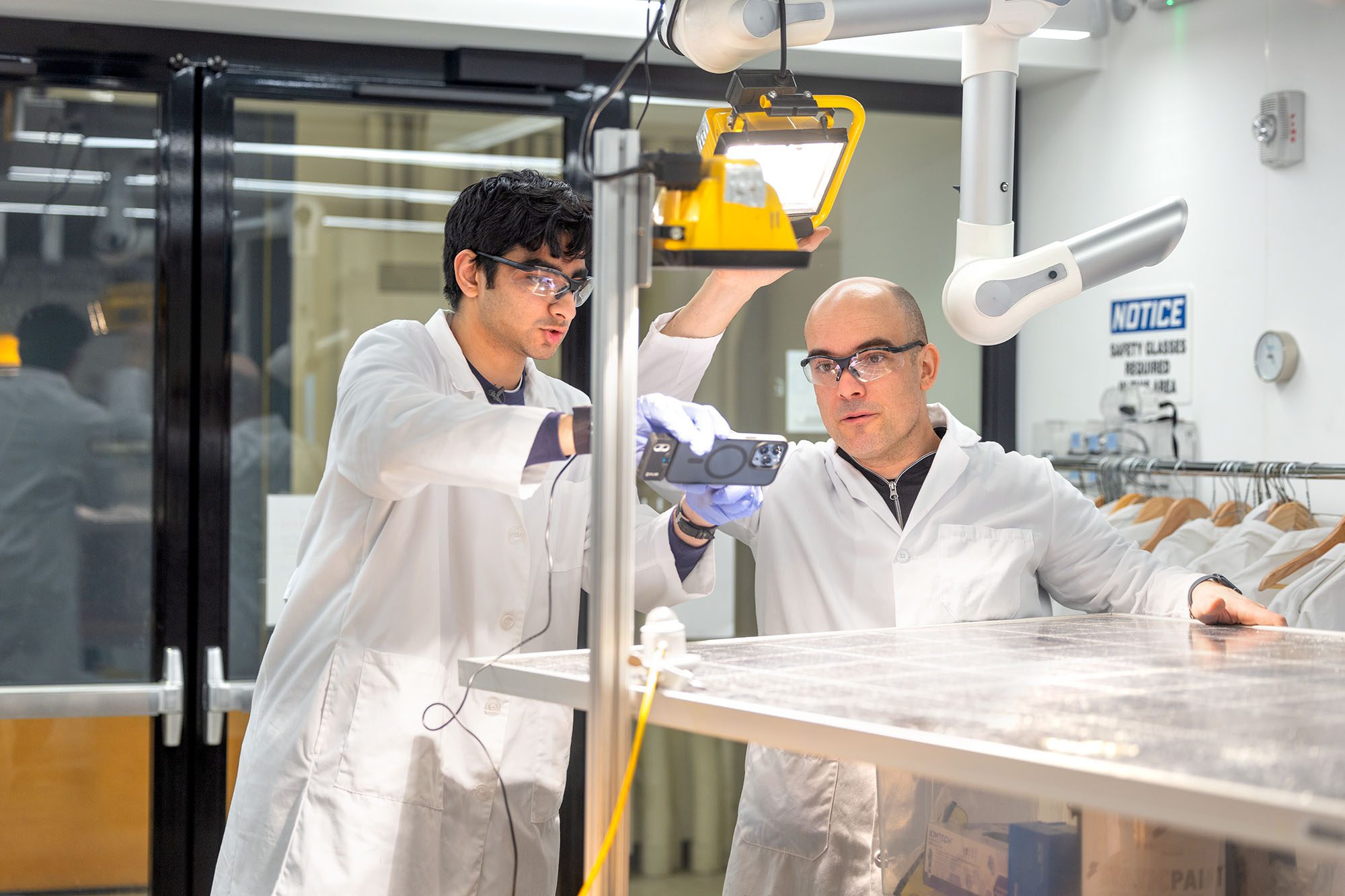
The project focuses on advanced thermal management technologies, including enhanced heat transfer techniques and the use of phase change materials, which can be retrofitted to existing PV installations (or integrated with new PV installations). These technologies aim to maintain lower cell operating temperatures, thereby increasing the efficiency and durability of PV modules. This project includes hands-on prototyping and testing with ground-mounted and floating PV systems. This research aligns with current trends in PV energy, addressing a critical yet under-explored aspect of PV performance thermal management. Relevant research papers on phase change materials and heat transfer techniques in PV systems, as well as patents related to retrofitting solutions, will guide the technological development.
Cornell Campus as a Living Laboratory for Renewable Energy Transition
Faculty Sponsor: Fengqi You
Cornell University campus aims to be Carbon Neutral by 2035. To support this renewable energy transition, hybrid energy systems should be integrated, designed and optimized to satisfy the campus-wide demand on electricity, heat and cooling. This project aims to deliver energy systems analysis and optimization methods and insights to support the renewable energy transition of the campus. The campus energy systems will also provide a living laboratory for this study.
Discrete Event Simulation of Hedge-Fund Deal Flow
Faculty Sponsor: Jeff Varner
This project aims to develop a discrete event simulation system to compute a hedge fund’s performance (profit or loss and the value of assets under management) relative to potential alternative investments. Deal flow will be treated as discrete probabilistic packets over different tickers and asset types. This simulation system will inform the fund’s choice of deal structure and estimate the fund’s potential gain or loss relative to a benchmark investment strategy, e.g., a low-cost index fund such as SPY, treasury securities, etc.
Reducing U.S. Children’s Antibiotic Exposure via Non-Invasive Immune Therapy
Faculty Sponsor: Rong Yang
Assess the market viability and perform a techno-economic analysis of a nanodelivery platform developed at Cornell to realize a one-dose, non-invasive treatment of acute otitis media (AOM). AOM is the primary reason for pediatric antibiotic usage, accounting for 24% of the antibiotic prescriptions written to U.S. Children. An estimated 19.5 million AOM cases in the U.S. each year led to an annual cost of $3-4 billion from outpatient visits, emergency department/urgent care visits, and hospitalization. Globally, ~ 80% of all children experience at least one episode of AOM by school age, making AOM the most common reason for pediatrician visits around the world. The Yang Lab at Cornell CBE has developed a fresh concept to target the delivery of antibiotics to the infected middle ear. Teams working on this project identify market viability, analyze the regulatory landscape, and design a scalable production process.
Technoeconomic Analyses and Modeling of Biodiesel and Renewable Diesel for DuMond Farms Agribusiness
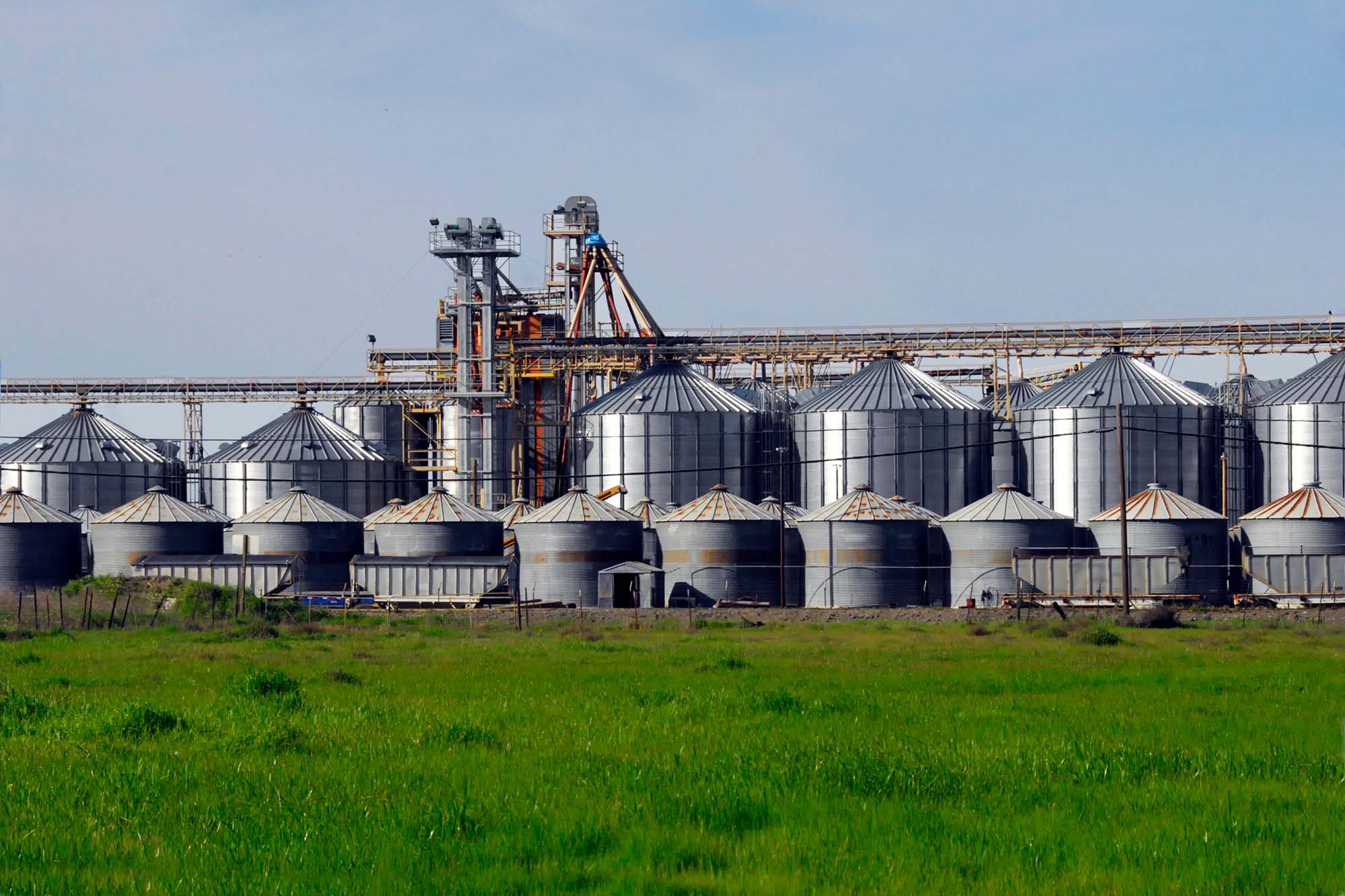
Industry Sponsor: DuMond Farms
DuMond Farms is a large corn and soybean farm in Upstate New York that operates a soybean mill. They now own equipment that has been used to make biodiesel via transesterification, and they are considering converting their existing plant to hydro carbonification. Biodiesel can be blended into diesel fuel used in many applications, but has some disadvantages, including low temperature operating problems. DuMond is interested in investigating hydrothermal carbonification (HTC) to produce renewable diesel, a drop-in replacement for fossil fuel-based diesel. HTC is more complicated and capital intensive then transesterification, so technoeconomic review and comparison is required. M.Eng. students who worked on this project investigated and assessed the technology options available. They performed market and policy assessments of biodiesel and renewable diesel markets in region, and assessed supply of feedstock available regionally to support sizing analysis. Together, they created preliminary designs for each technology, estimated capital, operating and maintenance, and utility costs for each option. In their final presentation, the M.Eng. team shared their technoeconomic analyses and models, and made recommendations to DuMond Farms for future exploration on this topic.