Replicating In Vivo Micro Scale Biology In Vitro: Cancer Biology and Immune Cell Function
Cell biology occurs at the micro scale. I will describe to approaches to replicating in vivo micro scale biology. In the first, we build patient-specific microphysiological systems (MPS) of cancer with cells from that patient to replicate the tumor (and its microenvironment) structure and function. These models include up to eight different cell types and relevant structures (both lymph and blood vasculature) and the tumor cells (in a spheroid format). We than treat these models to predict which treatment (e.g. drug, radiation) will be best for that patient. We are also now applying these MPS models to understand infectious disease (e.g., the role of neutrophils in parasitic trafficking). In the second, we are applying a recently developed under oil microfluidic technology enabled by Exclusive Liquid Repellency (ELR) to replicate the in vivo single cell scale mechanics and kinetics during neutrophil migration, isolate less abundant immune cells (e.g., T cells) from very small blood volumes (e.g., 7 ul) and improve antimicrobial susceptibility testing (AST).
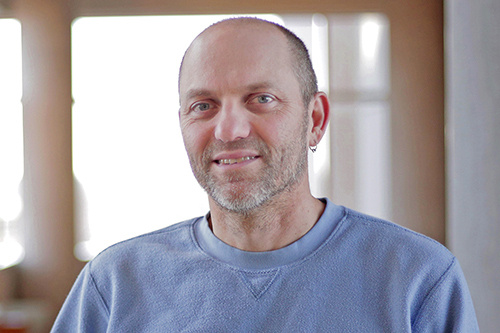
Bio: David J. Beebe is the Claude Bernard Professor of Biomedical Engineering, a University of Wisconsin John D. MacArthur Professor and a Professor of Pathology & Laboratory Medicine at the University of Wisconsin-Madison. Originally trained in electrical engineering, from 2004-2009 he completed a five-year NIH funded retraining in cell/cancer biology. From 2012-2017 he co-led the Tumor Microenvironment Program in the University of Wisconsin Carbone Cancer Center. He has published >350 archived journal articles with >50,000 citations (h-index of 98). David’s current cancer related research interests center on the understanding and application of micro scale cell-based assays to understand cancer biology and response to therapy to improve cancer diagnosis and monitoring. Additional research topics include novel micro scale technology development, infectious disease biology and diagnostics. He has also co-founded several biomedical technology companies.