Everything is made of something.
Making a more sustainable and healthier world starts with imagining new materials. Everything from renewable energy to medical devices to consumer electronics can be advanced by improving the materials they are made from.
Our Programs
Studying the properties of materials and their applications is ideal for those who are excited to work at the forefront of industries like electronics, energy, and healthcare.
Strategic Areas of Research
-
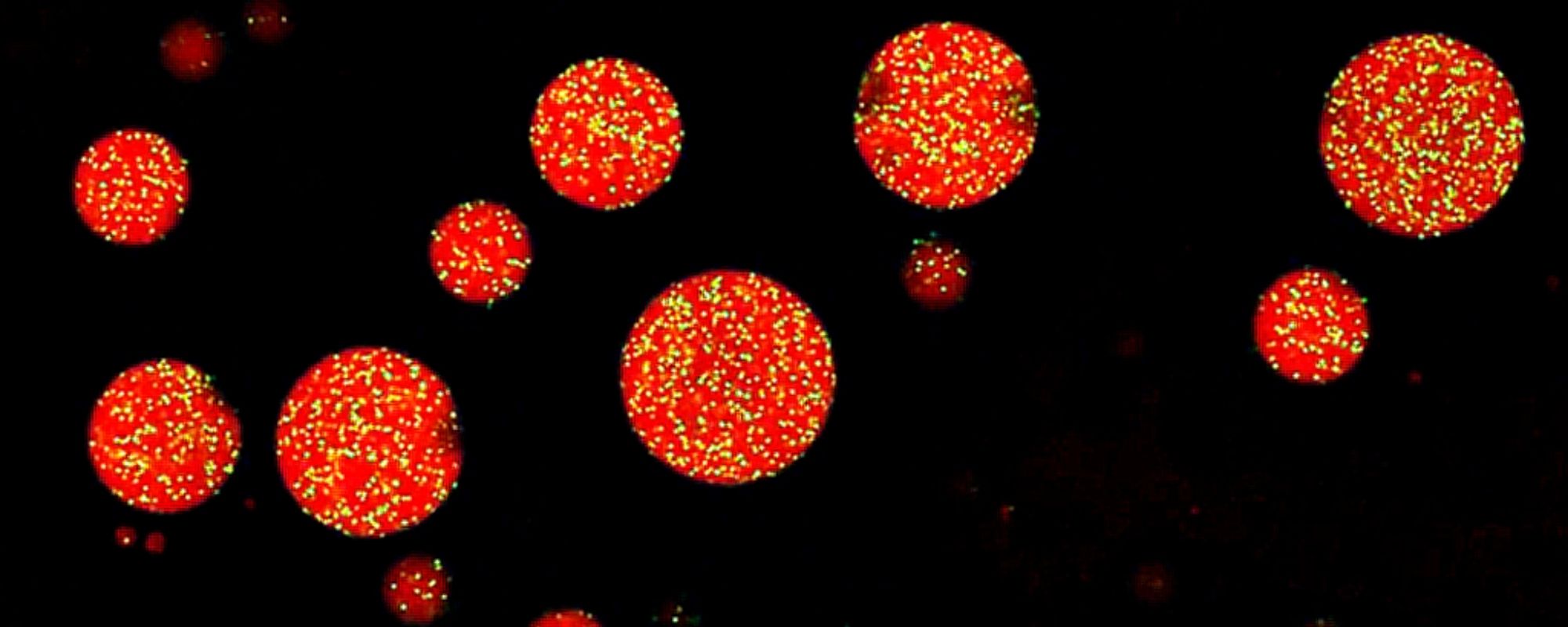
![Eric Dufresne Research image of Droplets]()
Bioinspired Materials and Systems
Bioinspired composites, engineered protein films for adhesion, lubrication and sensing applications, molecular tools for in-vitro and in-vivo imaging, and biomaterials for tissue engineering and drug delivery.
-
![Andrej Singer Research Image of bright spectrum of colors across a rectangle]()
Electronics and Photonics
Oxide semiconductors, 3D integration, materials beyond silicon, high K and low K dielectrics, plasmonics, spintronics and multiferroics.
-
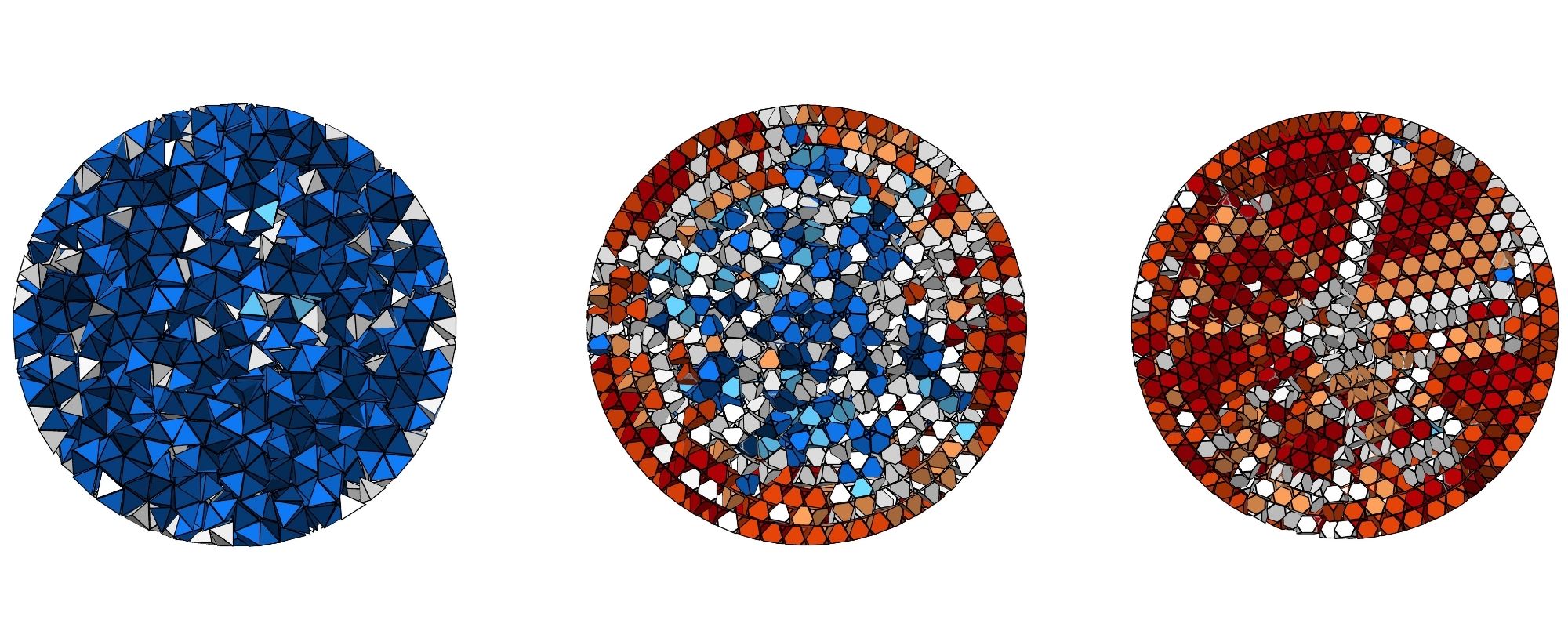
![Research Image from Julia Dshemuchadse's group]()
Energy Production and Storage
Photocatalysis, photovoltaics, thermoelectrics, phononics, batteries and supercapacitors.
-
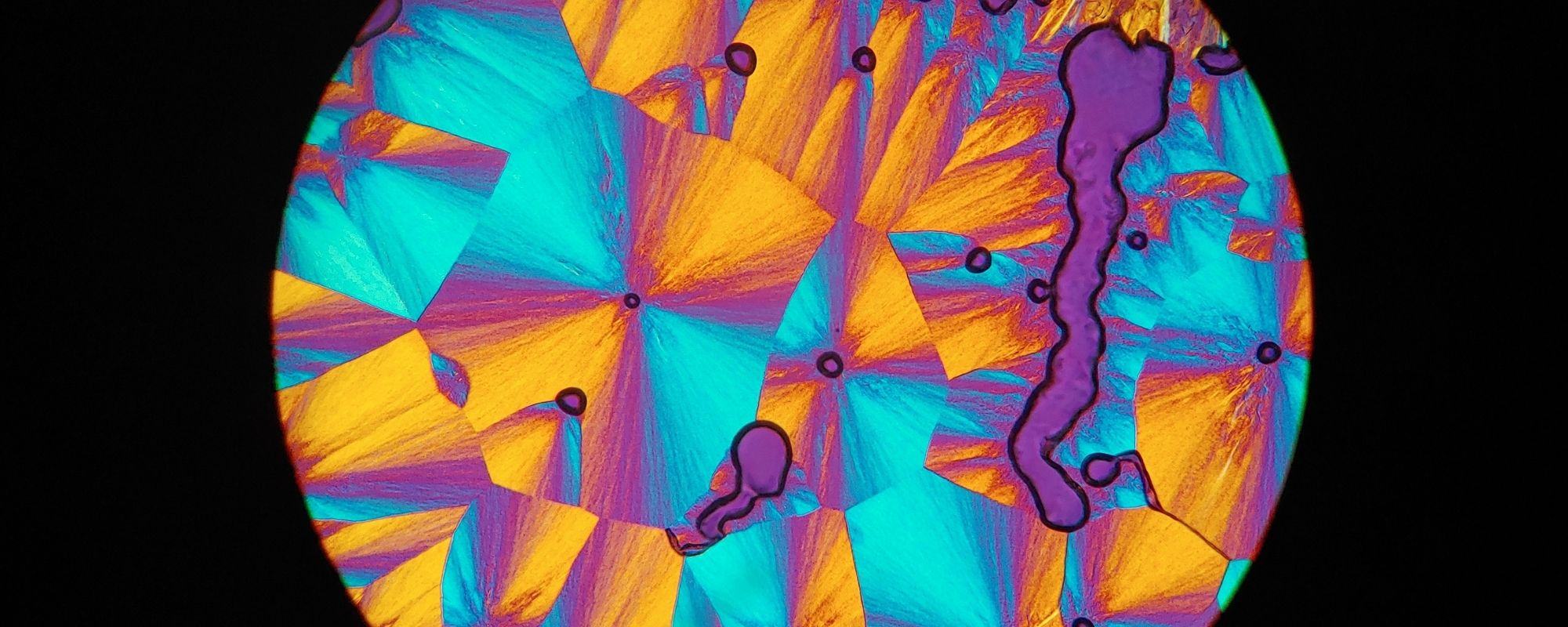
![Crosspolarized microscope image of cholesterol acetate crystals with added quarter waveplate]()
Green Technologies
We have targeted green composites and new systems for CO2 capture and conversion as areas of future growth.

News Highlights
-
![circuit board]()
Aluminum nitride transistor advances next-gen RF electronics
Cornell researchers have developed a new transistor architecture that could reshape how high-power wireless electronics are engineered, while also addressing supply chain vulnerabilities for a critical semiconductor material.
-
Cornell CNF annual meeting spotlights breakthroughs in nanofabrication
Cornell’s NanoScale Science and Technology Facility (CNF) convened researchers, industry partners, and national collaborators for its 2025 Annual Meeting on November 18, highlighting advances across photonics, quantum devices, semiconductor fabrication, sustainability, and life sciences.
-
Lara A. Estroff named 2026 MRS Fellow
Lara A. Estroff, chair of the Department of Materials Science and Engineering at Cornell and the Herbert Fisk Johnson Professor of Industrial Chemistry, has been named a 2026 Materials Research Society (MRS) Fellow, one of the most selective…
-
Machine learning teaches membranes to sort by chemical affinity
Cornell researchers have created porous materials that filter molecules by their chemical makeup.
-
MOCVD system to drive exploration of next-gen nitride materials
A custom-built, metal-organic chemical vapor deposition system in Duffield Hall will help forge new directions for nitride semiconductors, materials best known for enabling LEDs and 5G communications.