Page Contents
Finding Research Opportunities at Cornell
Most research opportunities are not advertised. Students typically find positions by contacting researchers they would like to work with.
Resources for Finding Opportunities
-
- Ask your professors, TAs, or faculty advisor for advice on finding research opportunities.
- Join CURB (Cornell Undergraduate Research Board). CURB shares research postings
- Paid research opportunities may be found at Student Employment: Jobs Overview or by speaking with individual research mentors.
- Search for projects by research topic and within the Engineering Schools and Departments. Make a list of researchers (including faculty, research associates) with whom you would like to work while searching departmental websites.
-
View program-specific undergraduate research resources:
- Cornell University Artificial Intelligence (CUAI) is an undergraduate student organization that focuses on machine learning research and publication
- The School of Operations Research and Information Engineering organizes undergraduate team project opportunities via the course ORIE 4999. Email the ORIE Undergraduate Coordinator (orie-ug-support@cornell.edu) for more information.
Visit the undergraduate research project list.
Contacting Potential Research Mentors
Once you’ve defined what kinds of projects you are looking for, you must begin talking to prospective faculty mentors. Gather as much information as possible from other students, administrators, and faculty. It’s just like interviewing for a job—you must be well-informed and persuasive when you finally talk to your prospective faculty mentor.
-
Before reaching out:
- Read the researcher’s website or the abstract of one or more papers.
- Create or update your resume. Refer to the Engineering Career Center for support.
-
When you are ready to contact faculty:
Send an introductory message expressing your interest in their research.
- Start with a professional greeting (Dear Dr. or Professor X).
- Introduce yourself with your name, class year, and major.
- Explain why you are interested in their research – be specific! Generic emails do not get much attention.
- Mass emailing faculty does not work!
- Share why you are a good fit for the lab by providing more information about yourself. Describe your experiences (non-research experiences are great!).
- Emails should be concise; limit yourself to one to three paragraphs.
- End with a question. Ask to meet to discuss their research or getting involved in their field.
-
What if You Don’t Hear Back?
- Send a follow-up message in 10 to 14 days.
- Connect with a graduate student or post-doc in the lab to ask their advice.
- Visit faculty during their office hours.
- Remember: It’s OK to contact multiple faculty members at the same time. Consider making it a goal to contact two to three faculty members per week.
Need feedback on your outreach?
Would you like feedback on a draft message to faculty?
-
Ask for feedback from an advisor, professor, TA, or peer with whom you are most comfortable.
-
Schedule an appointment on Chatter with Engineering Advising or the Engineering Career Center.
-
Email or speak with your faculty advisor, professor, and current undergraduate researchers.
Meeting with Potential Faculty Mentors
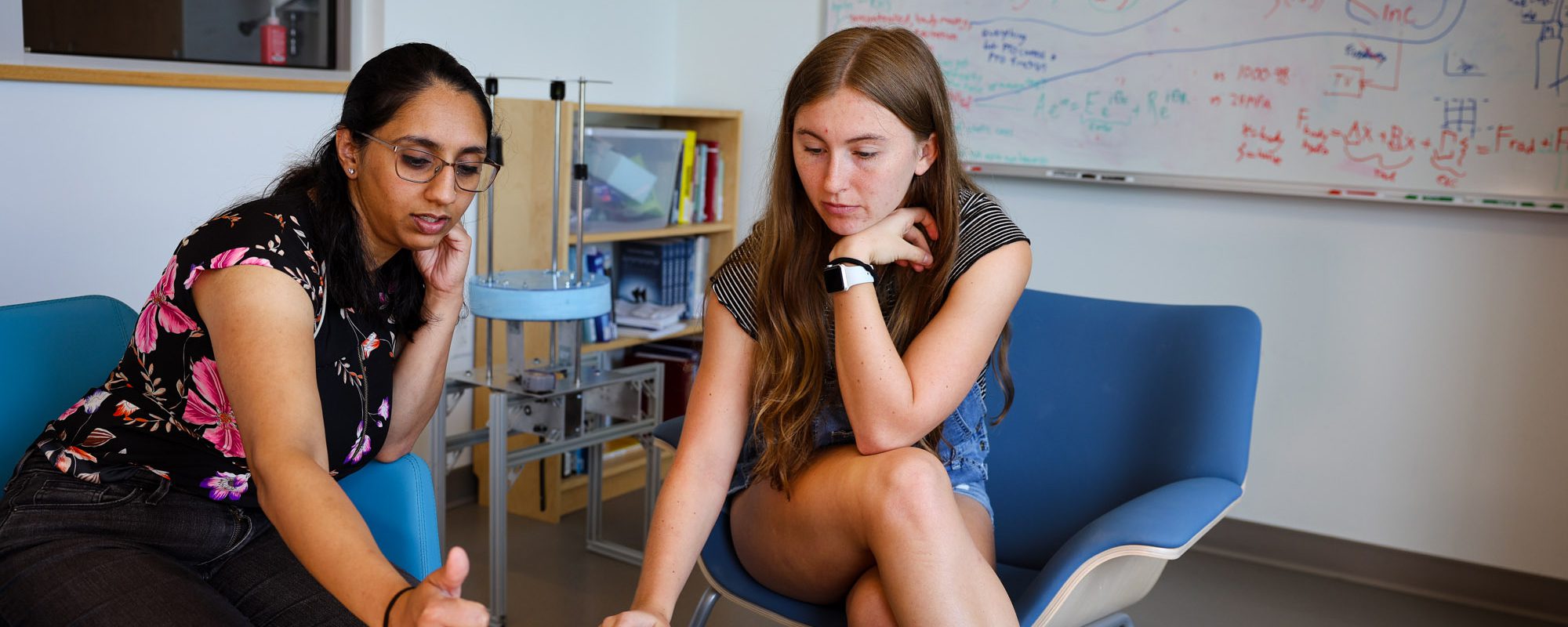
Congrats on getting meetings with researchers! Meeting with a prospective mentor is a two-way conversation where you and the mentor(s) are trying to determine if this research group is a good fit for you. Your goal is not only to find a research group, but the right group for you. Fit matters! The mentor(s) is trying to assess your skills and interests, as well as your compatibility with the research group. You have the opportunity to get a deeper understanding of the research area, research group culture, and the management and mentoring styles within the group.
Preparing for the Meeting
Before you meet with your prospective mentor, be sure you can articulate why you’re interested in their work specifically and research in general. Practice saying it out loud.
Questions You May be Asked
- Describe your previous professional experiences. This could be jobs, previous research (not required!), volunteering, or participation in teams or clubs.
- How do you balance academics with participation in other activities?
- How do you respond to conflict, stress, or uncomfortable situations?
- Give an example of when you learned something independently.
- Why are you interested in this research group?
- What are your career goals? (It’s OK to be undecided!)
Prepare a list of questions to ask the mentor(s). These can be about research or the lab structure (e.g., what do undergrads do each day?). Only ask questions you’re sincerely curious about. Here are a few example questions to ask a prospective mentor that have been adapted from the National Institute of Health.
Example Questions to Ask a Prospective Mentor
- Who will I work with in the research group? Is there a specific person in the group that I will go to with day-to-day questions?
- What will my day-to-day experience be like? What will I do?
- What might I be working on here? What technologies, approaches, and systems will I learn?
- Will I have a small project of my own or will I be helping someone with an on-going project?
- How often do you meet individually with undergraduates?
- Does your research group have regular group meetings? Do undergraduates attend?
- What qualities do you value most in an undergraduate researcher? How do you evaluate your undergrads?
If you can, talk to members of the research group such as undergraduate or graduate students. Here are a few example questions to ask current research group members that have been adapted from the National Institute of Health.
Example Questions to Ask Current Research Group Members
- What are the faculty’s expectations of undergraduates?
- What is a typical day like in this research group?
- How often do you meet with the faculty mentor? What are the meetings like? If you do not meet regularly with the faculty, who do you meet with?
- Do the faculty and other mentors answer email or other communications from members of the group?
- How was your orientation and initial training handled? Who helped you in the process?
- What happens when the faculty mentor gets frustrated?
- What happens when people in the group make mistakes? What happens when the faculty makes mistakes?
- What do you enjoy about working in the research group? What don’t you enjoy?
- Does the faculty and others respect the undergraduates in the group? Do they listen to them and offer constructive feedback?
- How does the faculty mentor deal with conflict between group members?
- How many hours per week do people typically work? Do people have flexibility in setting their schedules?
Lastly, be prepared to talk about time commitment. Bring your schedule. You do not need to understand technical details of their research or have read several of their papers.
Summer Research Opportunities
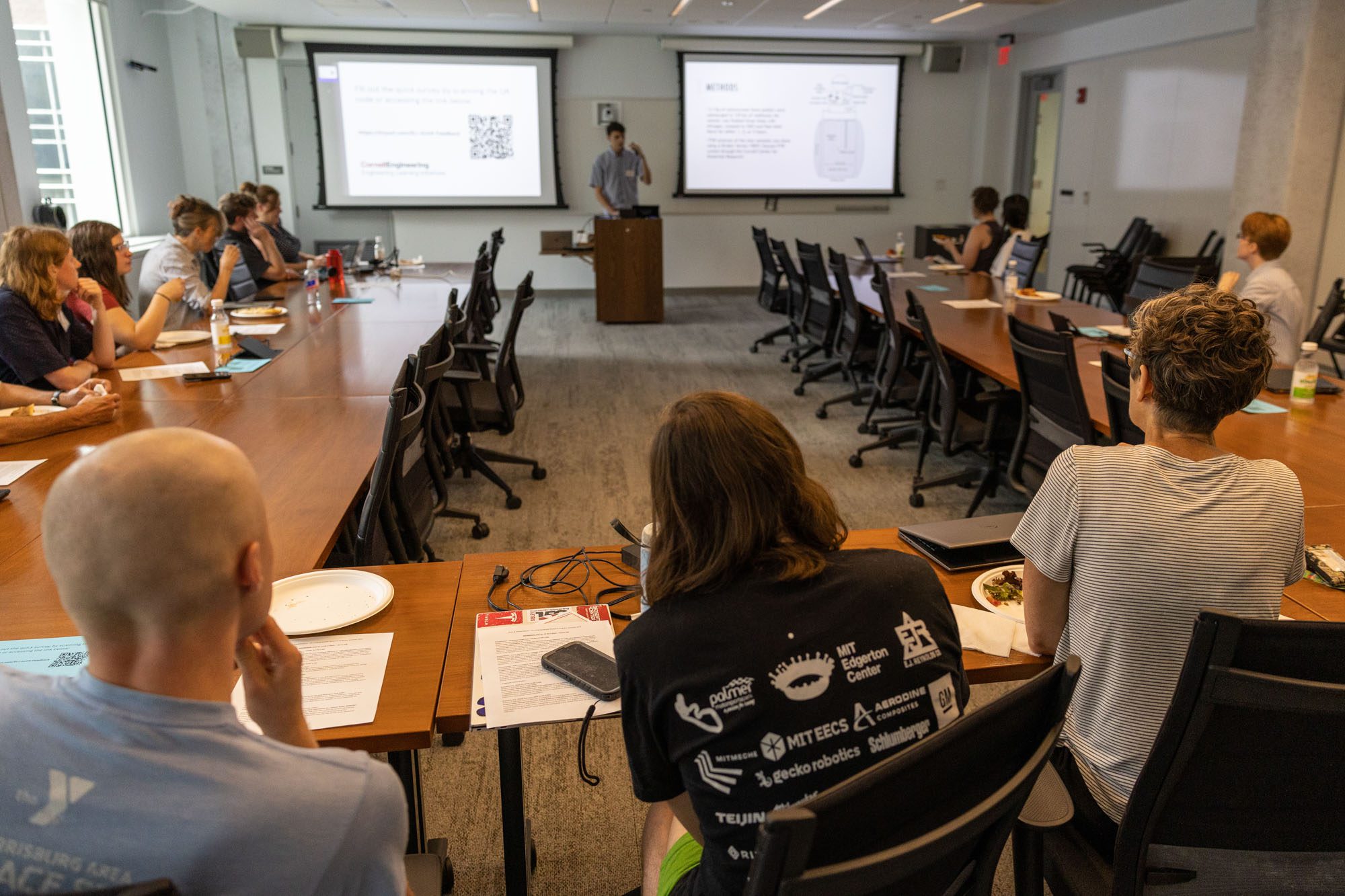
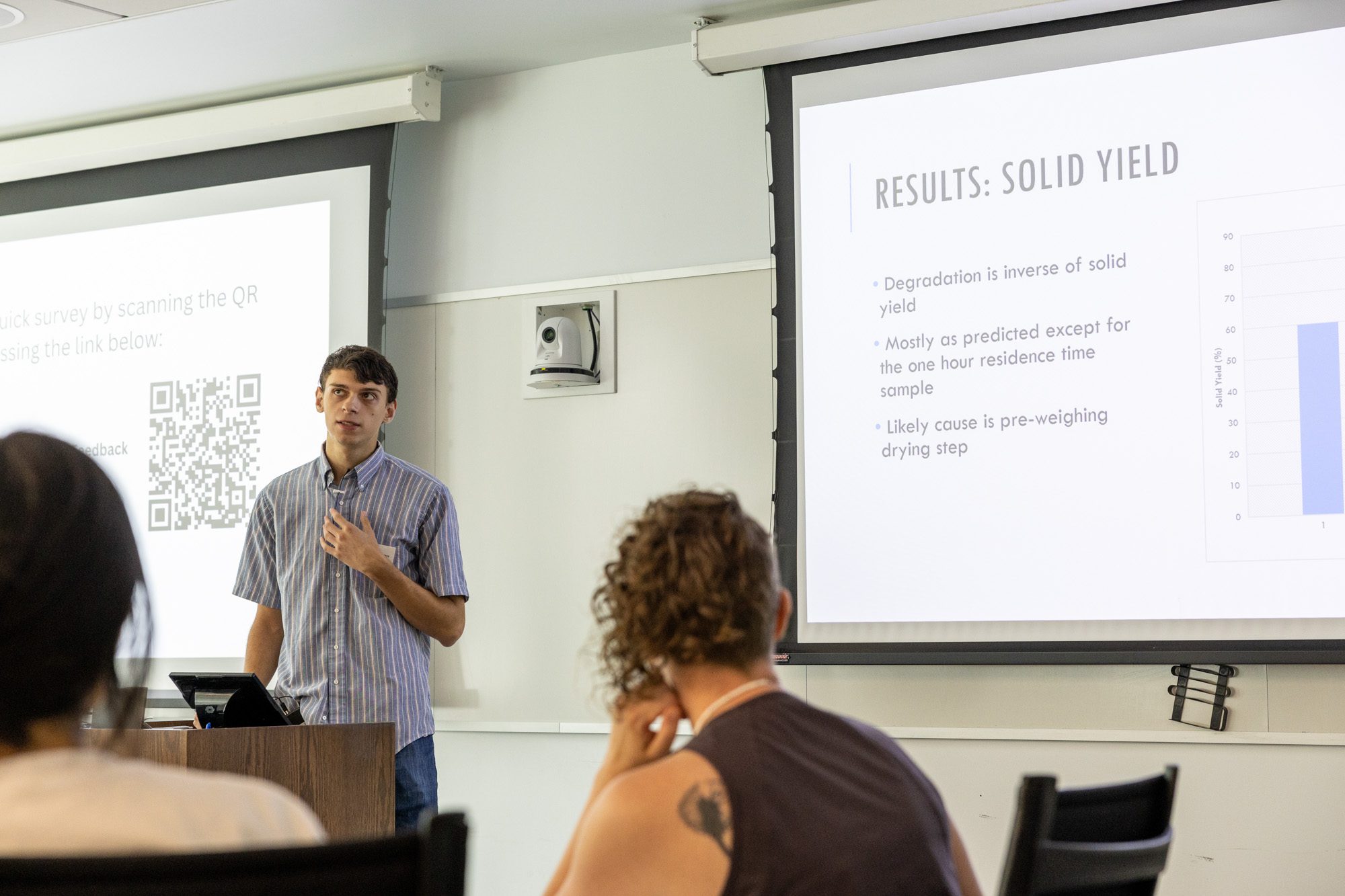
Each summer, Cornell Engineers conduct research around the world. Cornell Engineering offers undergraduate research opportunities at Cornell’s Ithaca campus, Cornell Tech in NYC, and with our international partners the UK, Singapore, and Hong Kong. Students also pursue research opportunities offered by other academic institutions and industries both nationally and internationally.
Tips for Applying to Paid Summer Research Positions
- Use winter break to search for and complete your applications. Once the semester starts you’ll be even busier – get it done early!
- Plan on applying to multiple positions.
- Broaden your search. Summer is a fantastic time to try something different or have research experiences that are not available at Cornell. Don’t limit yourself! Experience life at a company, non-profit, government agency (federal or state), hospital, or other place away from campus. Research is everywhere!
- Many applications require either references or letters of recommendation. When you need a letter, you should give recommenders at least four weeks to write the letter. Ask early. It’s OK to ask the same person to write letters or be a reference for several opportunities – just be organized in how and when you share the list of locations.
- Visit the Engineering Career Center and Cornell Career Services. They can support you as you create your application materials and seek positions beyond Cornell.
-
Summer Research at Cornell’s Ithaca Campus
Spend the summer in Ithaca conducting research with the world-renowned scientists at Cornell. If you are already in a research group, you can extend that experience throughout the summer. If you would like to get started in research this summer, read more about finding research opportunities at Cornell. The Office of Inclusive Excellence Undergraduate Grants Program offers financial support for salary and research expenses over the summer or during the academic year.
-
Cornell Tech
Engineering undergraduates may apply through our undergraduate research grant program to engage in research with faculty members at the Cornell Tech campus. Students may explore faculty members and research areas at the Cornell Tech Summer Research page. These Cornell Tech faculty have potential projects available for the upcoming summer and interested students should contact them directly:
-
International Research Experiences Supported by Cornell Engineering
The Einaudi Center for International Studies, the Office of Global Learning, and Cornell Engineering are thrilled to promote international engineering summer research opportunities via the Global Internship. Applications open in October and close in December. Check the program websites for application deadlines.
International Research Experiences
If you are accepted to one or more of the programs above, you are eligible to apply to the following grants to support your experience. You can receive funding from all three sources.
-
Global Intern Funding
up to $3000
-
Engineering Student Travel Grant
up to $1500
-
Engineering International Summer Research Grant
up to $5000
Research Opportunities Beyond Cornell
Academic institutions and industries offer a wide range summer research programs in engineering.
You can find opportunities using databases that encompass diverse fields and repositories that are targeted to specific fields.
- Start your search using the Pathways to Science STEM programs database from the Institute for Broadening Participation (IBP). This database includes hundreds of summer programs in Engineering. The Advanced Search function allows you to narrow your search based on citizenship requirements, research or internship experiences, international experiences, and more! IBP also provide tools and guidance to help you create a strong application.
- If you are considering pursuing an MD-PhD or MD, explore the AAMC’s summer research program list and MD-PhD specific summer programs.
- Explore the Cornell Atkinson Center for Sustainability Summer Internships, where you can join teams working at the intersection of science, policy, community, and the private sector.
- USAJobs a central repository for positions with the federal government, including the Pathways Internship Program, which offers paid opportunities with federal agencies and provides links to other federally supported research and internship opportunities, including NASA, Department of Defense, and more!
- The US Department of Energy offers Science Undergraduate Laboratory Internships over the summer and during the semester at world-renowned laboratories.
- The ISPE (International Society for Pharmaceutical Engineering) maintains a list of companies and agencies that have internship programs. Once you follow the link to a specific company, you might have to search around a bit – “internship” or “intern” are great keywords when searching company job databases.
- Join email lists or check the job boards for professional organizations in your field of interest. For example:
Research: Credit, Pay, or Volunteer?
As an undergraduate joining a research group, you are somewhere in between a student being trained and an employee contributing to the common goals of the research group. Where you fall on that continuum will vary across time. Depending on the policies of your lab group as well as your role in the lab, you may participate in research as a volunteer, for pay, or for credit.
-
Research for Credit
Students may earn credit for research in most engineering departments, but enrollment follows specific rules and timelines.
Key considerations include when and how to enroll, how research credit relates to pay, and how to balance research with your course load.
For full details, see Research for Credit.
-
Paid Research
Undergraduates in Cornell Engineering can be paid for conducting research through faculty research grants, Federal Work Study, the Office of Inclusive Excellence Student Grant Program or various research scholar programs.
Once you have connected with a faculty mentor, you can then discuss options with your mentor for receiving wages for your research effort. As funding is highly variable across research teams and projects, being paid for research might not be possible unless you receive your own funds.
If your faculty mentor would like to support you to apply for funding through the Office of Inclusive Excellence Student Grant Program, please access detailed information on funding cycles, application processes, selection criteria, and requirements. Those who receive pay for research may not receive credit.
-
Research Volunteering
Students often get started in research by volunteering in a research group, particularly when the research starts mid-semester and enrolling in credit is not an option. Volunteering can be a way to demonstrate reliability and commitment.
However, enrolling in credits or receiving wages requires the students and faculty to enter into a formal agreement where both parties could feel more committed to the experience. For some students and/or faculty, this level of commitment can increase the quality of the experience.