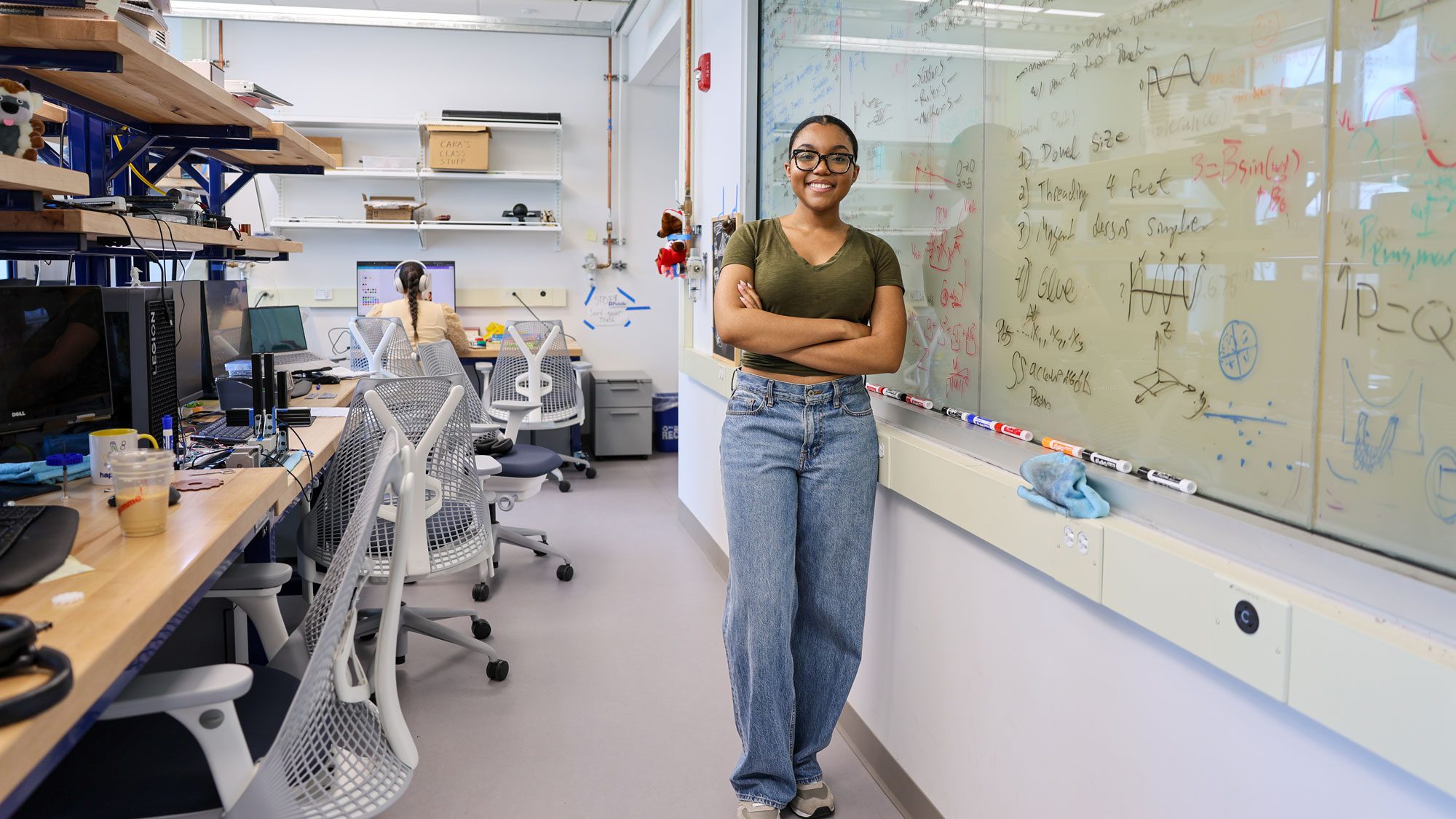
By integrating structured mentorship, career exploration, and targeted skill development into the research journey, Rising Researchers prepares students for impactful careers in both industry and academia.
For Undergraduate Students
Undergraduate participants are guided through a structured journey that demystifies the research process, builds confidence, and supports their development as aspiring professionals. Throughout the Fall semester, undergraduate students are invited to attend a series of open-access events designed to introduce them to the world of research. These include “Unlocking Research” sessions, guided lab tours hosted by research groups across departments, panels featuring engineering alumni, and workshops highlighting how research can translate into a variety of career paths, including R&D, entrepreneurial ventures, and academic research.
First and second year Cornell Engineering undergrads who participate in at least two Office of Inclusive Excellence fall research events are eligible to apply for a mentored research position as a Rising Researcher beginning in the spring. During the spring and summer, undergraduates work on a research project in close collaboration with a graduate student mentor. They receive either academic credit or hourly pay during the spring semester, and full-time pay during the summer session. In addition to the hands-on research experience, Rising Researchers participate in workshops designed to build skills in areas such as scientific writing, proposal development, and professional communication.
Graduate Mentorship Fellows
Ph.D. students who have completed one year of their program are eligible to apply to be a Graduate Mentorship Fellows at the beginning of the Fall semester. Fellows receive formal training in skills applicable to careers in academia and industry, including: mentorship, leadership, and supervision. In Fall, Fellows are required to attend six workshops totaling approximately nine hours, design a mentoring plan, and participate in the process of selecting an undergraduate mentee. Fellows are also expected to lead a lab/research group tour for undergraduate researchers (if at all possible and pending PI permission) as part of an Office of Inclusive Excellence undergraduate research event. During the spring and summer, Fellows get hands-on mentoring experience while also participating in a mentoring learning community where they share practices, engage in discussion with experienced mentors, and continue to develop as mentors and research leaders.
In recognition of their role, graduate mentors receive professional development support of $1,000 per term of participation to support their own research activities, including funding for research supplies, travel, or conference attendance.
For Faculty Mentors
Faculty provide critical oversight and guidance as part of the Rising Researchers ecosystem. Faculty mentors attend a brief, virtual orientation in the Fall and support their graduate students as they mentor undergraduates. Faculty are encouraged to foster effective mentoring practices and research group management, helping ensure a productive and inclusive research environment. The program’s structure is designed to support faculty by building a mentoring pipeline that enhances both research outcomes and student development.
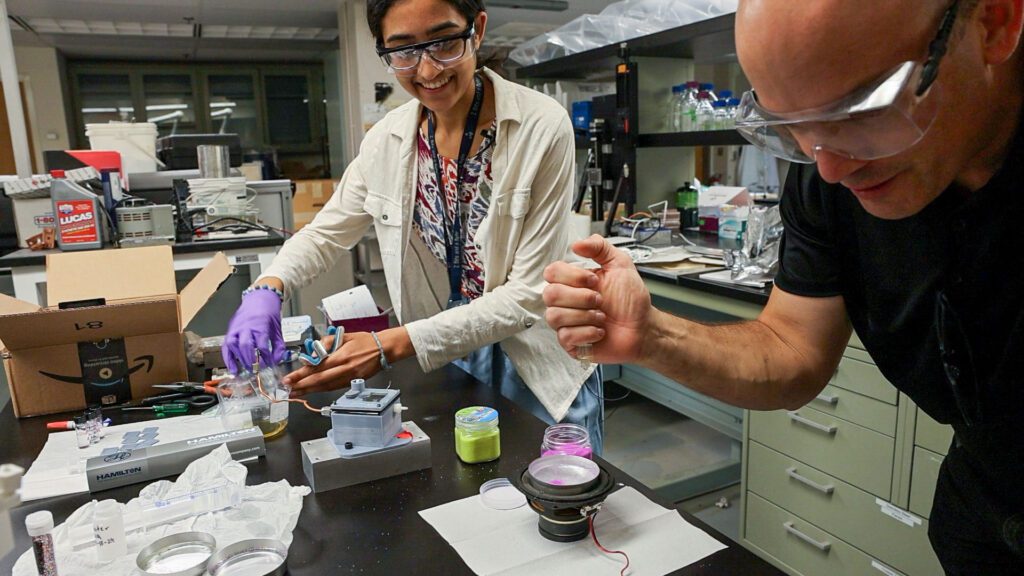
Program Timeline
Fall: Recruitment, Exploration, and Training
Undergraduates
-
August – November
Office of Inclusive Excellence Undergraduate Research Workshop Series
- Open to all undergraduates.
- Students must attend at least two workshops to be eligible for the Rising Researchers Program.
-
November
Rising Researchers Program Application Opens
- Eligible undergraduates may apply for a Spring–Summer mentored research experience.
- Includes options for pay and/or academic credit.
-
December
Rising Researchers Selected
- Accepted students are notified and matched with research mentors.
-
January-May
Rising Researchers Program – Spring Phase
- Students participate in mentored research projects.
- Monthly professional development workshops are required.
- Students and mentors create a summer research proposal to continue their project.
-
June-August
Rising Researchers Program – Summer Phase
- Students may continue their research experience with pay or credit options, depending on eligibility and mentor availability.
Graduate Students
-
August-September
Graduate Mentorship Fellow Recruitment and Selection
- Ph.D. students are invited to apply to serve as Graduate Mentorship Fellows.
-
September-December
Graduate Mentorship Fellow Workshop Series
- Fellows receive training focused on mentoring, equity in research, and student support.
-
January-August
Mentorship in Practice
- Graduate Mentorship Fellows actively support undergraduate Rising Researchers.
- They provide guidance, foster inclusive research environments, and collaborate with faculty mentors.
Faculty Mentors
-
September-December
One-hour Faculty Mentor Meeting
- Rising Researchers are matched with faculty or research mentors for their upcoming research projects.
-
January-August
Mentored Research Engagement
- Faculty and mentors guide undergraduate students through research experiences.
- They may also collaborate with Graduate Mentorship Fellows to support student development and research outcomes.
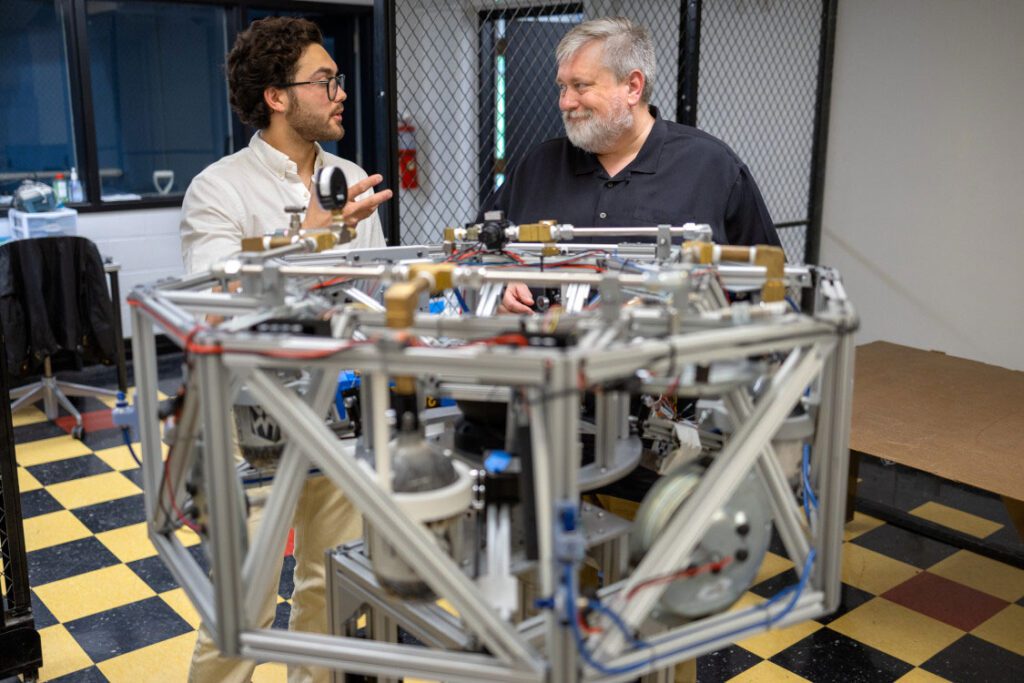
The full program cycle runs August through August and renews annually.
-
Spring: Mentored Research and Skill Development
In the spring, selected undergraduate students join faculty research groups under the direct guidance of their graduate student mentors. Undergraduates commit approximately six-eight hours per week to hands-on research. In parallel, they participate in a series of structured workshops focused on critical skills for emerging researchers, including how to read and analyze scientific literature, manage citations, write professionally, and draft research proposals.
Graduate-undergraduate mentor pairs collaborate to co-develop a formal summer research proposal, laying the groundwork for an immersive full-time experience in the months ahead. Graduate mentors continue their development through twice monthly professional learning communities where they share experiences and refine their mentorship practices.
-
Summer: Full-Time Research and Enrichment
During the summer, undergraduate students transition into full-time research roles, working up to 35 hours per week on the projects they helped shape in the spring. They are paid for their work and also participate in the Cornell Office of Inclusive Excellence Summer Research Programming, which provides additional academic enrichment, community-building, and professional development opportunities.
Graduate student mentors remain engaged through ongoing professional learning communities, supporting both their undergraduates and each other as they continue to grow as mentors and leaders. This sustained engagement ensures continuity, deepens the research experience, and helps foster a high-functioning, inclusive research environment.