How You Can Make an Impact
-
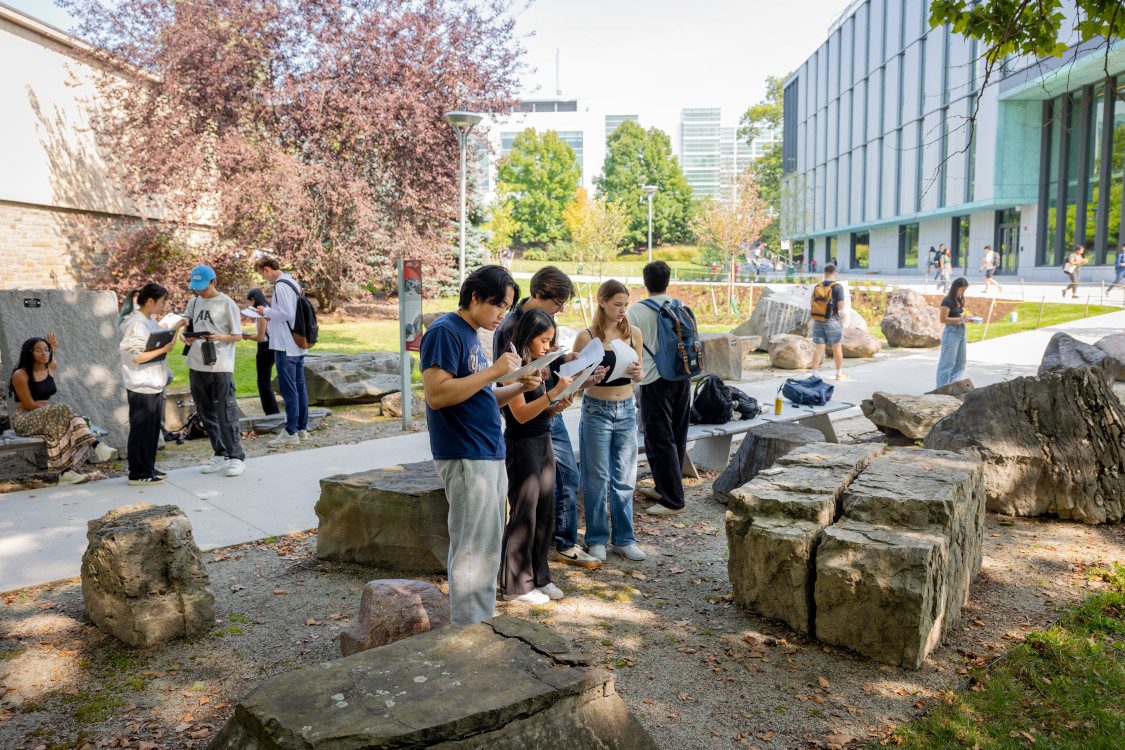
![Students take notes in the Rock Park on the Engineering Quad]()
Earth and Atmospheric Sciences NEXTGEN Fund
The department’s presence in three colleges affords tremendous opportunities for impact across the campus and with the outside world.
We are a partner in the Cornell Earth Source Heat initiative, which aims to heat campus with deep geothermal energy and is a means of meeting the university-wide commitment to achieving carbon neutrality by 2035. We also continue to lead in studying natural hazards associated with seismicity, volcanism, space weather, and severe weather and climate.
This funding supports undergraduate and graduate education, including tuition, graduate student stipends, travel to conferences, field work and field camp, as well as junior faculty laboratory and equipment costs.
-
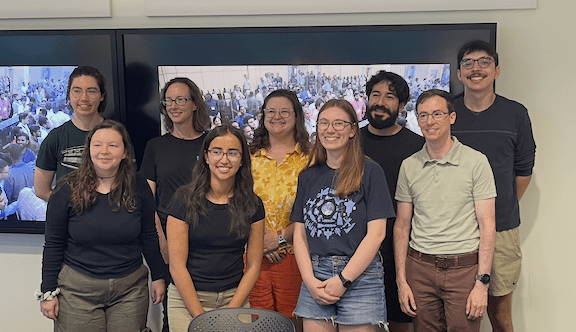
![A group of nine people pose infront of two screens in Snee Hall during the launch of the NISAR satellite in 2025.]()
Graduate Student Fellowships
Provides funds for graduate student tuition and stipends, which will help EAS continue to grow our graduate student numbers.
-
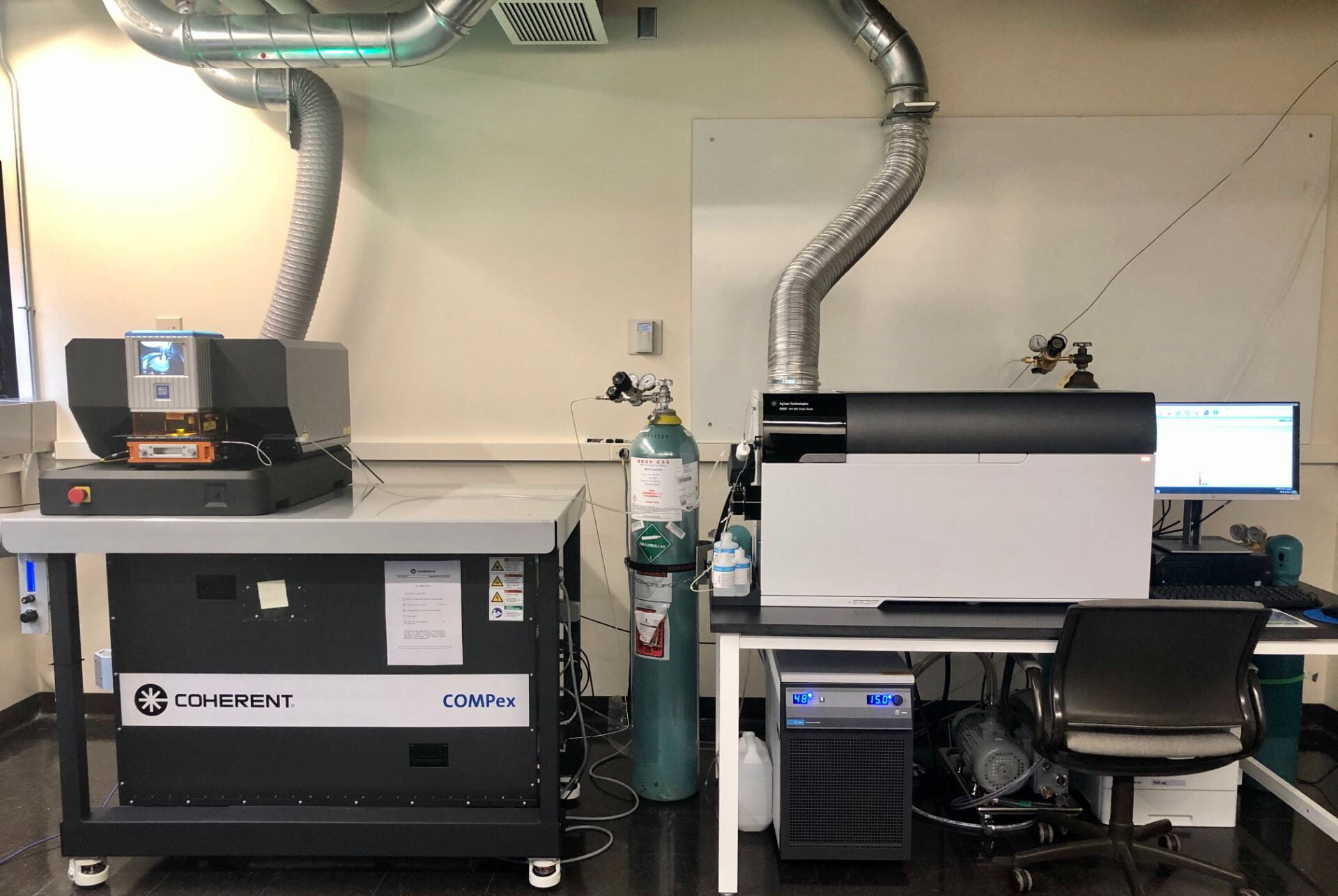
![Mass spectrometry equipment in the lab of Professor Esteban Gazel.]()
Start-up Costs for New Faculty Research Programs
EAS has been able to recruit a cohort of innovative, young faculty in a variety of areas focused on geosciences, climate, natural hazards, critical minerals and subsurface energy.
Your gift will help ensure the research needs of new faculty are met through modern, well-equipped laboratories and highly trained staff.
-
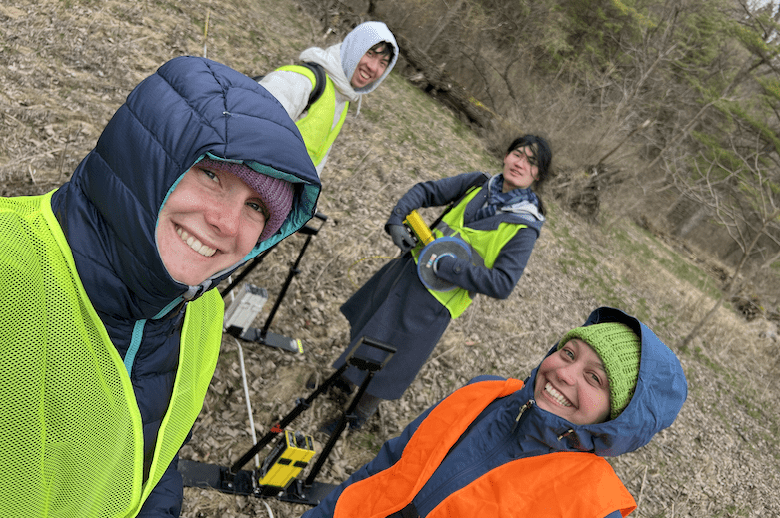
![Four students in heavy winter coats smile as they take field measurements.]()
Undergraduate Field Training Support
Field experience as an undergraduate can be a transformative and defining experience. Today’s students, many of whom attend Cornell with financial aid, find field programs increasingly difficult to participate in due to the expense of the field program and lost income from summer employment. In order to maintain this transformative experience for undergraduates, the department must subsidize students who lack sufficient funding.
-
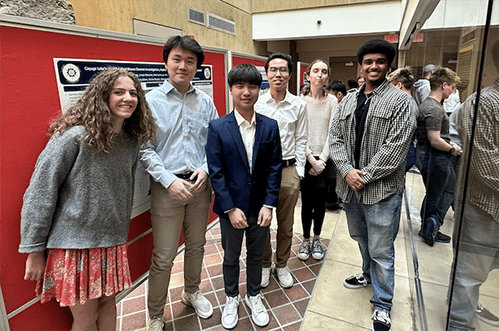
![Students from the CU GeoData project team stand near a research poster in Snee Hall.]()
Student Project Team
The department has launched its first undergraduate project team, joining the experiential learning culture at Cornell Engineering.
The CU GeoData team have developed instruments and techniques to assess environmental conditions and trends by exploiting the revolution underway in instrumentation which are used to probe the earth and its atmosphere like drones and balloons carrying radar, lidar and in situ probes.
The students supply the know-how and the enthusiasm, but the department supplies most of the equipment. The project team is moving toward becoming self sustaining with private-sector support. To support the team, visit the CU GeoData website.
-
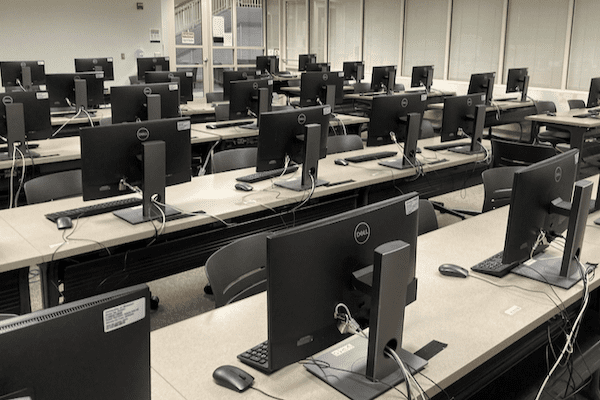
![Computers in rows on tables]()
Computer Lab Support
For both atmospheric scientists and many solid earth scientists, the computer is their laboratory. New equipment must be purchased every few years as data sets continue to grow in size.
For more information about gifts, please contact Keith Hannon.