
Why major in atmospheric sciences?
Are you fascinated by tornadoes, hurricanes, or the science behind weather forecasting? Do you want to understand how climate change is reshaping our world? A degree in Atmospheric Sciences equips you with the tools to tackle pressing challenges like severe weather prediction, air pollution, climate change, and hurricane hazards—issues that dominate headlines and shape our daily lives. At the heart of our program is the use of fundamental physics and chemistry to unlock the mysteries of weather and climate. As the only Ivy League school offering a dedicated Atmospheric Sciences degree, we combine world-class research opportunities with the close-knit community of small classes and an high faculty-to-student ratio.
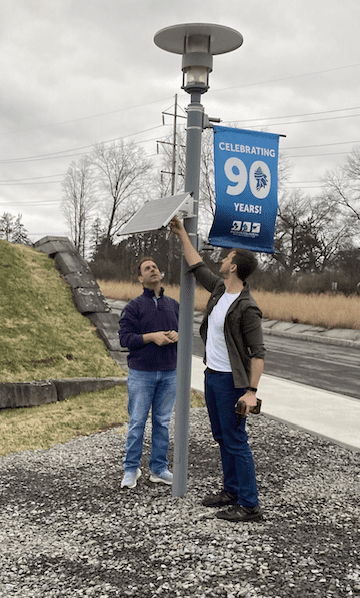
Program Highlights
-
Ivy League Education for the price of a SUNY Program
Because Cornell’s College of Agriculture and Life Sciences is affiliated with the State University of New York (SUNY) system, we offer an Ivy League degree at a tuition that is comparable to other SUNY meteorology programs.
-
Small Class Sizes Allow for Stronger Mentorship
The program features small classes and a high ratio of faculty to students, yet its location within Cornell allows students to choose from a rich variety of elective courses and extracurricular activities.
-
Beautiful Location
In addition, the gorgeous landscape of Upstate New York provides an incredible real-life atmospheric laboratory, as weather from severe thunderstorms to lake-effect snow provides a regular variety of forecasting challenges.
Curriculum
Building the knowledge base needed for the rapidly evolving field of Atmospheric Science, this includes a foundation in weather and climate forecasting, as well as risk modeling, machine learning-based forecasting, and data and information science.
-
The basic curriculum meets the guidelines of the American Meteorological Society (AMS).
-
The requirements for employment in meteorology with the National Weather Service (NWS) and a variety of consulting and professional meteorological services.
How to Affiliate
Students majoring in Atmospheric Sciences are in the College of Agriculture and Life Sciences (CALS) and they declare their major upon admittance to Cornell. They do not need to go through a separate affiliation process to be accepted into the major. They can find admissions and major requirements here.
-
Have questions?
Student Experiences
Membership in our meteorology club, the Cornell Chapter of the American Meteorological Society (CCAMS), is open to all atmospheric science majors and other interested students. CCAMS sponsors numerous scholastic, service, and social activities for its members – including forecast competitions, intramural sports, internship/externship opportunities, dinners with faculty, bowling parties, and more.
We almost always send a large contingent of students to the AMS Annual Meeting, and students often attend smaller regional weather conferences throughout the year as well. Every April, we welcome back alumni of our program, to network with students and participate in presentations and panel discussions.
Additional Opportunities
-
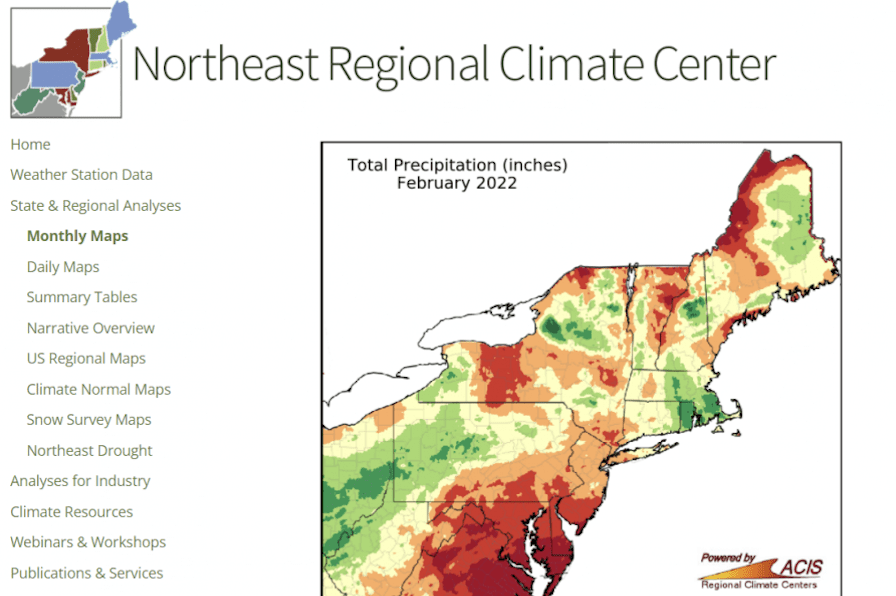
![Northeast Regional Climate Center website homepage]()
Centers, Facilities and Institutes
The Department of Earth and Atmospheric Sciences is home to several cutting-edge centers, labs, and institutes that drive our groundbreaking research.
-
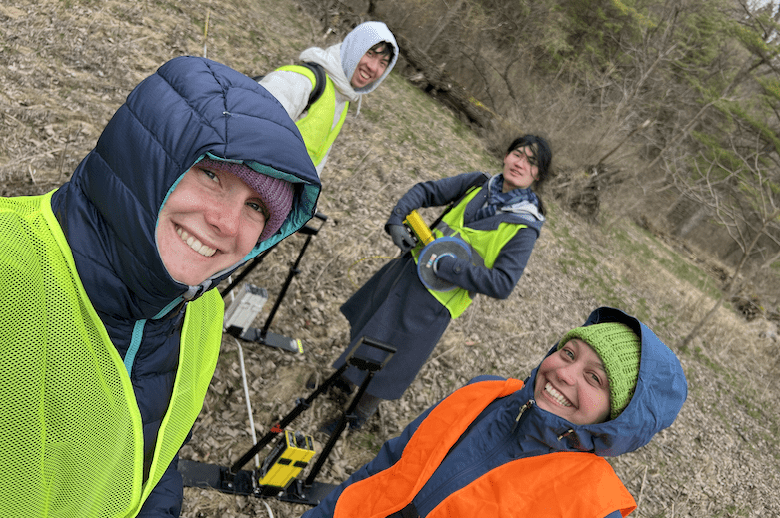
![Four students in heavy winter coats smile as they take field measurements.]()
Student Groups and Organizations
Explore the diverse range of student organizations and clubs available to enhance your academic journey and connect with peers who share your interests.
Contact
For further information about this major, contact the director of undergraduate studies or the undergraduate coordinator. Ready to declare the major? Visit us in 2102A Snee Hall!
-
Director of Undergraduate Studies
Arthur DeGaetano
Snee Hall, Room 2116
atd2@cornell.edu -
Undergraduate Coordinator
Annmarie Card
Snee Hall, Room 2160D
ac2666@cornell.edu