- Graduate Field Affiliations
- Civil and Environmental Engineering
- Environmental Quality (minor)
Biography
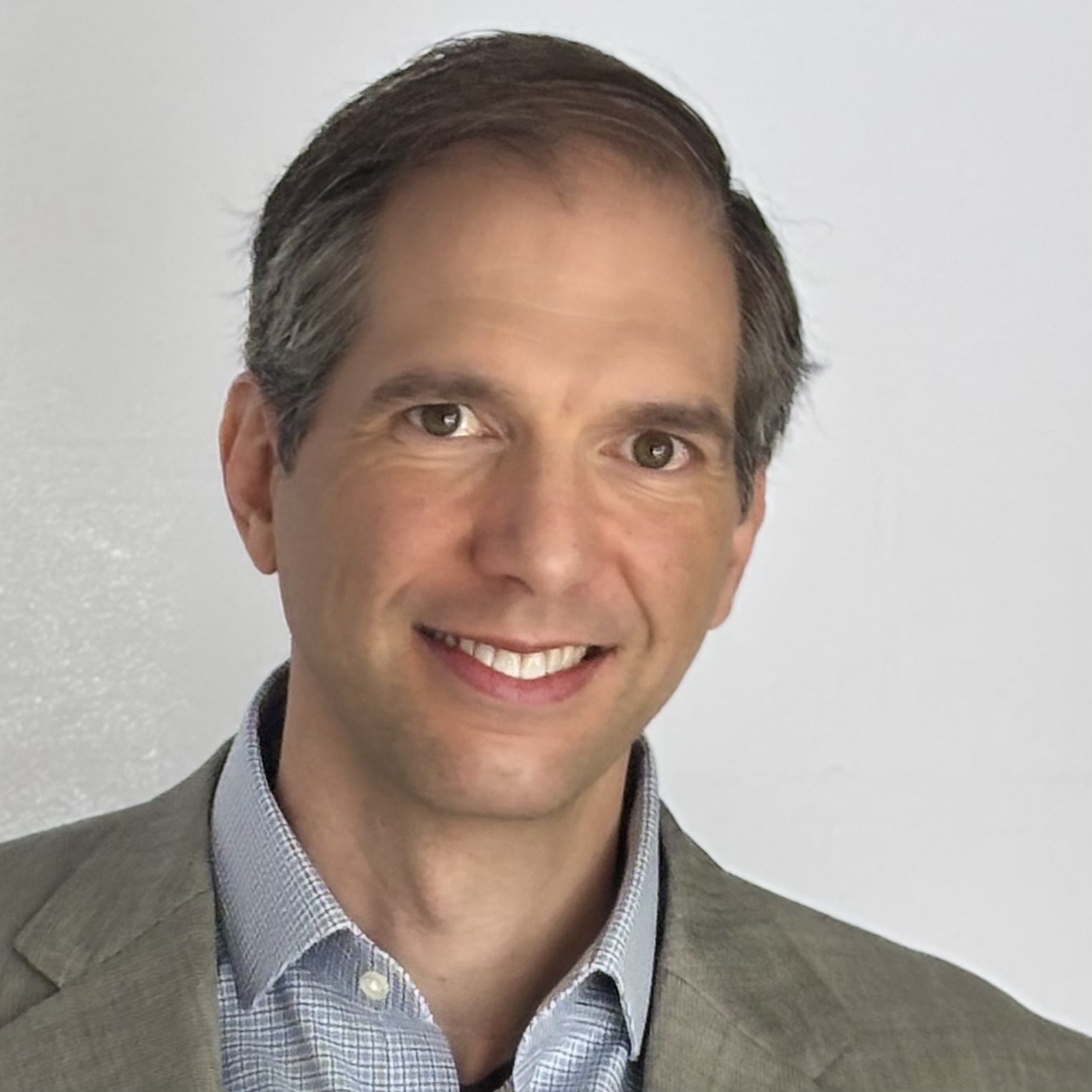
Damian Helbling received his Ph.D. in civil and environmental engineering from Carnegie Mellon University in May 2008. His graduate research focused on the use of sensor networks within drinking water distribution systems to monitor and control post-treatment water quality. Helbling did his postdoctoral work at the Swiss Federal Institute for Aquatic Science and Technology (Eawag) in Switzerland where he explored the environmental fate of organic chemical contaminants with a particular focus on biological transformation processes. Helbling joined the School of Civil and Environmental Engineering at Cornell University in January 2014. His research has focused on developing techniques to characterize the universe of organic molecules in water and wastewater by means of high-resolution mass spectrometry and developing technologies for the remediation of impacted water systems.
Research Interests
Our research focuses on the inextricable link between human social mobility and technological development and the quality of freshwater resources. We are particularly interested in the occurrence and fate of organic chemicals in natural and engineered water systems. The emerging paradigm of sustainable human development recognizes that the distribution of novel chemical entities in the environment is a significant threat to global health and productivity. For example, exposure to anthropogenic organic chemicals in water can result in the spread of antibiotic resistance, the collapse of aquatic ecosystems, and acute or chronic human health afflictions.
The three major goals of our research are to: (i) improve our understanding of the breadth of organic chemicals that may occur in aquatic environments; (ii) evaluate the fate and transformation of organic chemicals in the environment; and (iii) develop new remediation technologies for the removal of organic chemicals from water. We hope to contribute not only technical solutions to water quality problems, but also to participate in the dialogue among regulators and chemical industries to help establish water quality guidelines and urge the development of less persistent alternatives to particularly hazardous chemicals. To do this, we design laboratory-scale experiments, field studies, and modeling tools in collaboration with environmental toxicologists, synthetic organic chemists, materials scientists, water and wastewater utilities, and industry partners.
- Water Systems
- Health Systems
- Environmental Processes
- Statistics and Machine Learning
- Infrastructure Systems
Select Publications
-
Joseph, N.T., Droz, B., Schwichtenberg, T., Oetjen, K., Sühnholz, S., Jones, G., Field, J.A., Higgins, C.P., and D.E. Helbling. (2025) “Discovery of comprehensive sets of chemical constituents as markers of PFAS sources through a nontarget screening and machine learning approach,” Environmental Science & Technology, 59, 42, 22852–22865.
-
Lin, Z.-W., Kim, S., Dyakiv, Y., Gedangoni, E.F.P, Packman, A.I., Helbling, D.E., Getzinger, G., and W.R. Dichtel. (2025) “A macroporous cyclodextrin monolith for continuous PFAS removal from water,” Journal of the American Chemical Society, 47, 37, 33761–33769.
-
Geng, F. and D.E. Helbling. (2024) “Cascading pathways regulate the biotransformations of eight fluorotelomer acids performed by wastewater microbial communities,” Environmental Science & Technology, 58, 23201−23211.
-
Rich, S.L. and D.E. Helbling. (2024) “Broad microbial community functions in a conventional activated sludge system exhibit temporal stability,” Environmental Science & Technology, 58, 22368−22378.
-
Wang, J., Lin, Z.-W., Dichtel, W.R., and D.E. Helbling. (2024) “Perfluoroalkyl acid adsorption by styrenic β-cyclodextrin polymers, anion-exchange resins, and activated carbon is inhibited by matrix constituents in different ways,” Water Research, 260, 121897.
Select Awards and Honors
- Tau Beta Pi Professor of the Year Award 2024
- Sustainable Future Award, SRC 2023
- Super Reviewer Award, ES&T 2020
- Research Excellence Award, Cornell Engineering 2019
- CAREER Award, National Science Foundation 2018
- Emerging Investigator - Featured in Special Issue of Environmental Science: Water Research & Technology(Royal Society of Chemistry) 2017
- Letters Excellence in Review Award, ES&T 2017
- Excellence in Review Award, ES&T 2016
- James and Mary Tien Excellence in Teaching Award, Cornell University 2016
- Editor's Choice Award - Best Environmental Science Paper, ES&T 2010
Education
- Ph.D. (Civil and Environmental Engineering), Carnegie Mellon University 2008